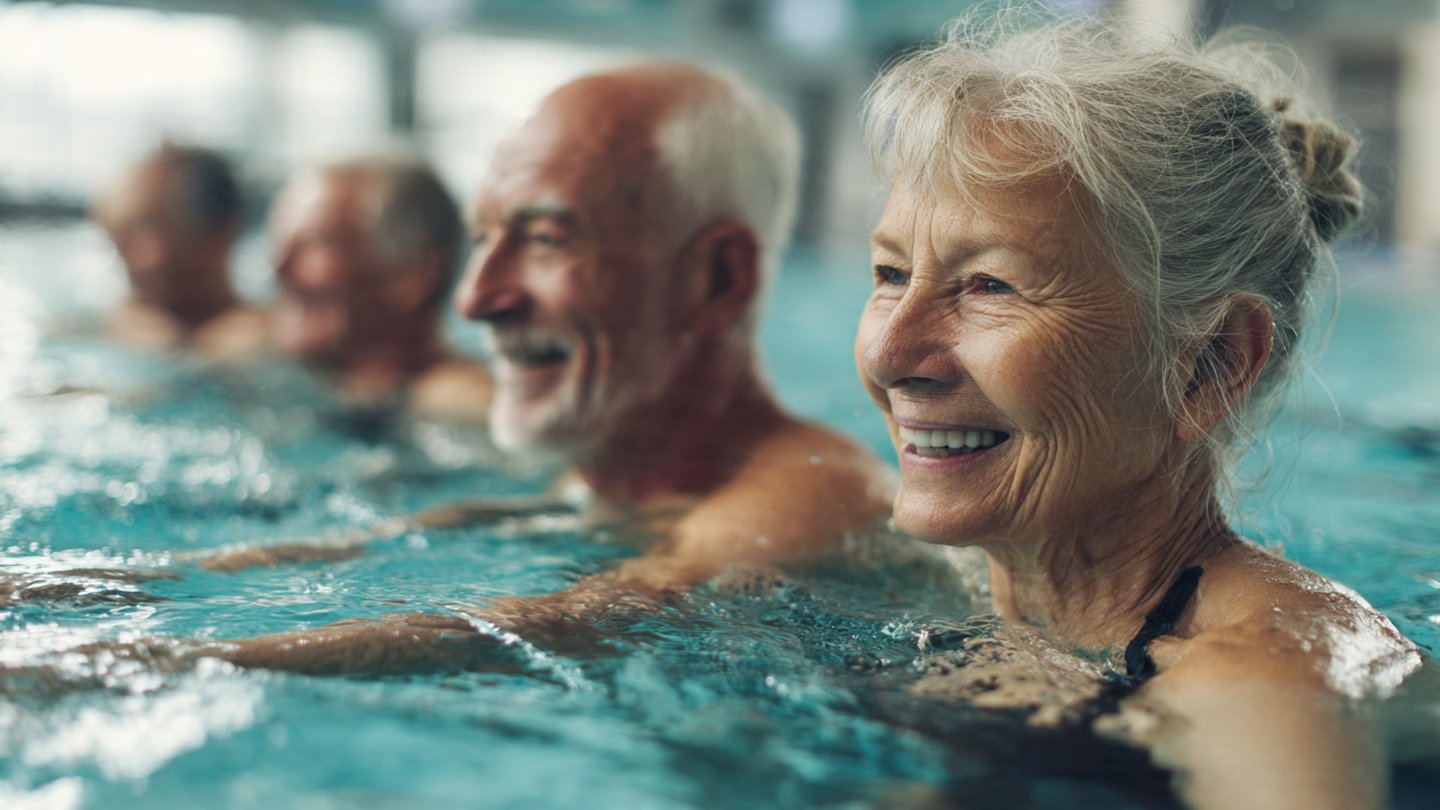
As we age, joint pain becomes an increasingly common challenge. From stiff knees to aching hips and creaky shoulders, millions of older adults experience discomfort that can limit mobility and reduce quality of life. Conventional wisdom often points to low-impact exercises like swimming, water aerobics, or Pilates as the safest ways to stay active while protecting fragile joints. While these activities certainly have benefits, health experts are now highlighting a less obvious, surprisingly effective alternative for those over 65: walking backward.
Yes, you read that correctly. Walking backward—sometimes called retro walking—may sound unconventional, even comical, but research and expert guidance reveal that it offers unique benefits for joint health, balance, and overall physical function in older adults. Unlike swimming or Pilates, which primarily focus on flexibility, core strength, and range of motion, backward walking specifically targets muscles and movement patterns that are often neglected, helping to reduce joint stress and improve mobility.
Why Conventional Exercise Isn’t Always Enough
Many older adults with joint pain shy away from exercise altogether, fearing that any movement might worsen their discomfort. Even those who participate in swimming or Pilates can encounter limitations. For example:

- Swimming: While buoyancy reduces stress on weight-bearing joints, swimming predominantly strengthens the upper body and core. Lower-body joints like hips, knees, and ankles may not receive targeted conditioning, leaving them prone to weakness.
- Pilates: Focused on flexibility, core stability, and controlled movements, Pilates can improve posture and muscle coordination. However, it may not adequately strengthen the muscles surrounding key joints, particularly those used for walking, climbing stairs, or standing from a chair.
In other words, these low-impact exercises are excellent for maintaining general fitness, but they don’t fully address the joint-specific challenges that often accompany aging.
The Science Behind Backward Walking
Backward walking may seem unusual, but physiologically, it engages muscles and joints in ways that traditional forward movement does not. Experts explain that this activity:
- Reverses typical movement patterns
Most of our lives, we move forward. Our muscles, tendons, and joints adapt to forward motion, which can create imbalances. Backward walking activates opposing muscle groups, particularly the quadriceps, calves, glutes, and hip flexors. Strengthening these muscles helps stabilize joints, reducing strain and pain over time. - Reduces knee joint stress
Studies suggest that backward walking places less pressure on the knee compared to forward walking or running. This occurs because the motion shifts the load distribution across the joint, decreasing compressive forces on cartilage. For people with osteoarthritis or mild degeneration, this can mean less pain during daily activity. - Improves balance and proprioception
Aging naturally diminishes balance and coordination, increasing the risk of falls. Moving backward challenges the nervous system to process unfamiliar sensory input, enhancing proprioception—our awareness of body position in space. Over time, this can improve overall balance and reduce the likelihood of joint injuries caused by tripping or missteps. - Boosts cardiovascular health
Surprisingly, backward walking can provide a moderate cardiovascular workout without the high impact of running or jogging. The body works harder to maintain stability and rhythm, raising heart rate and improving circulation, which also supports joint health by delivering nutrients to cartilage and surrounding tissues. - Encourages mental focus
Walking backward requires more concentration than forward motion, engaging cognitive functions and promoting neuromuscular coordination. This combination of physical and mental stimulation has been shown to enhance overall functional ability in older adults.
How to Start Safely
While backward walking is highly effective, it’s essential to approach it with caution, especially for individuals over 65 with joint pain or mobility limitations. Experts recommend the following steps:

- Choose a safe environment
Start on a flat, unobstructed surface such as a hallway, a gym floor, or a quiet park path. Avoid areas with traffic, stairs, or uneven terrain until confident in your ability. - Use support if needed
Beginners can hold onto a railing, countertop, or sturdy chair for balance. Over time, as stability improves, support can be reduced. - Start slow and short
Begin with just a few minutes at a slow pace. Even short sessions, repeated several times a week, can provide benefits. Gradually increase duration and intensity as strength and confidence grow. - Maintain proper posture
Keep the back straight, core engaged, and shoulders relaxed. Look over your shoulder or turn your head slightly to see where you’re going. Avoid looking down at your feet, as this can disrupt balance and strain joints. - Combine with forward walking
A mix of forward and backward walking ensures comprehensive muscle activation and prevents overuse injuries. For example, alternate a few minutes of each in a single session.
Real-Life Benefits Reported by Older Adults
Many older adults who incorporate backward walking into their routines report impressive improvements:
- Reduced knee and hip discomfort during daily activities
- Greater confidence when climbing stairs or standing from a chair
- Improved walking speed and stability
- Enhanced coordination and reduced fear of falling
- More energy and better endurance during short walks or errands
These benefits often appear after just a few weeks of consistent practice, highlighting the method’s efficiency and accessibility.
Complementary Exercises
While backward walking is powerful on its own, experts suggest pairing it with complementary exercises for maximum joint protection and functional fitness:

- Strength training: Gentle resistance exercises using bands or light weights can reinforce muscles around the hips, knees, and shoulders.
- Stretching: Targeting hamstrings, calves, and hip flexors helps maintain flexibility, which supports backward movement.
- Balance drills: Standing on one leg, heel-to-toe walking, or using balance pads can enhance stability.
- Aquatic exercise: Swimming or water aerobics remains useful for low-impact endurance and overall conditioning, though backward walking should be the primary joint-focused activity.
Overcoming Common Concerns
Some older adults may hesitate to try backward walking due to fear of falling or awkwardness. Experts advise:
- Start small: Even 2–5 minutes per session is beneficial.
- Use visual cues: Mark a clear path or place a mirror at the end of the hallway to monitor progress.
- Wear supportive footwear: Shoes with good grip reduce slips.
- Practice mental focus: Move slowly and deliberately; speed can be increased once confident.
The Bottom Line
For people over 65 with joint pain, staying active is essential—but not all forms of exercise are equal. While swimming and Pilates have their place in maintaining general fitness, backward walking offers targeted benefits that directly address joint health, muscle balance, and fall prevention. It strengthens neglected muscles, reduces knee and hip stress, and enhances balance—all while requiring no special equipment.
Experts agree that the surprising simplicity of this activity is part of its power. It’s inexpensive, accessible, and can be practiced safely at home with minimal supervision. Best of all, it allows older adults to regain confidence in their mobility and independence.

Incorporating backward walking into a weekly routine, combined with complementary exercises, can dramatically improve joint function and quality of life for those over 65. So the next time you think about exercising to manage joint pain, consider taking a step back—literally. Your knees, hips, and balance may thank you.
Conclusion
Aging does not have to mean surrendering to joint pain or reduced mobility. While traditional low-impact exercises like swimming and Pilates are valuable, backward walking provides unique benefits that directly improve joint function, stability, and confidence. With proper precautions, consistency, and support, this simple yet effective activity can transform how older adults move, helping them maintain independence and live more comfortably.

By stepping backward, older adults can step forward into a life of greater mobility, balance, and joint comfort—without expensive equipment, special classes, or complicated routines. It’s time to rethink conventional exercise wisdom and embrace the surprisingly powerful benefits of walking backward.