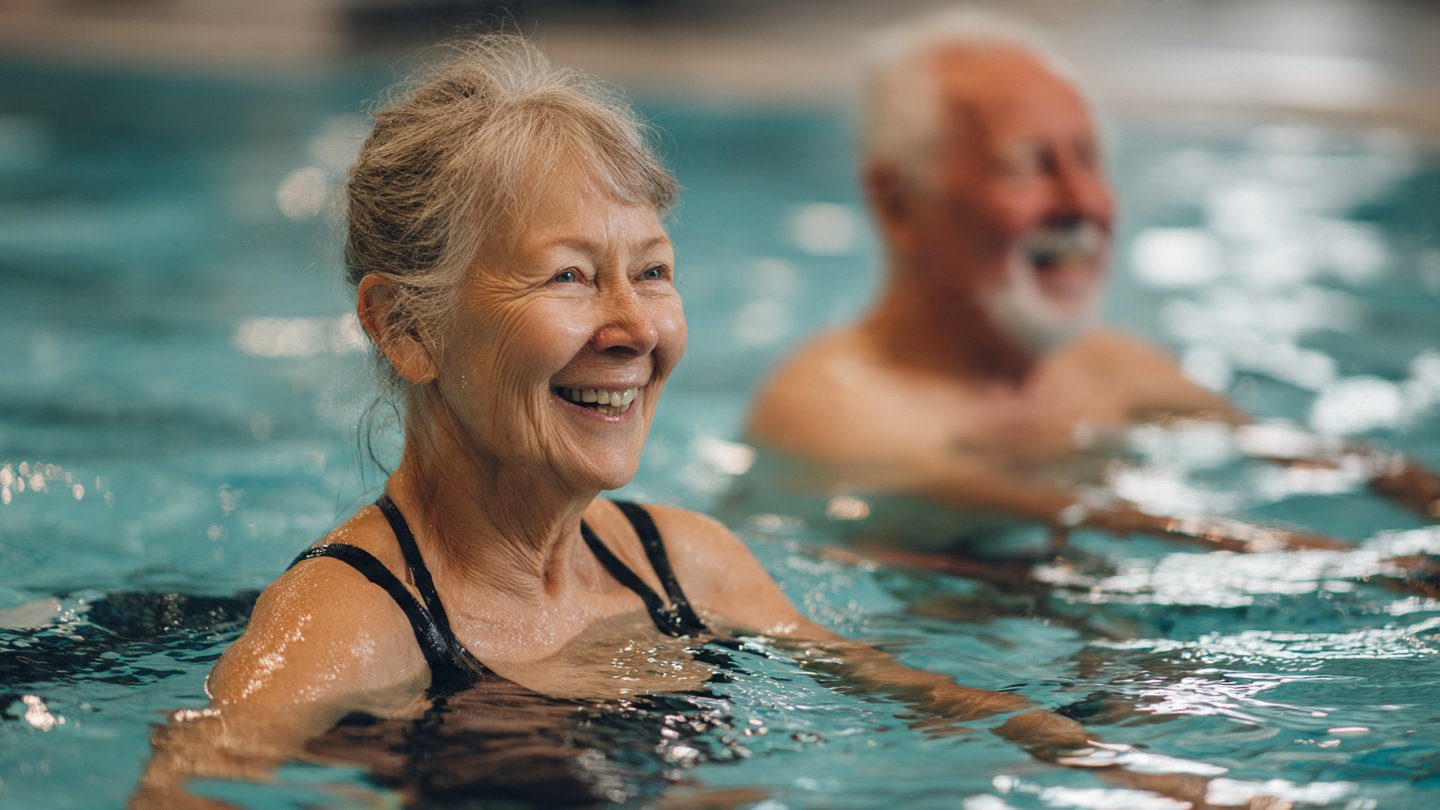
Staying active is essential at any age, but for people over 65 who suffer from joint problems, choosing the right exercise can be challenging. While swimming and Pilates are often recommended for low-impact movement, a growing body of research suggests there may be an even more effective and joint-friendly activity that improves strength, flexibility, balance, and overall well-being. Understanding why this activity works, its health benefits, and how to incorporate it safely can transform life for seniors struggling with joint pain.
Why Traditional Exercises May Not Be Enough
For decades, swimming and Pilates have been promoted as ideal exercises for seniors with arthritis, osteoarthritis, or general joint discomfort. Both offer low-impact movements that reduce stress on knees, hips, and shoulders:
- Swimming: Provides resistance without weight-bearing stress, making it easier on joints while improving cardiovascular fitness.
- Pilates: Strengthens core muscles and improves flexibility, balance, and posture.
However, despite their benefits, these exercises may not address all aspects of joint health for seniors. Swimming, for example, can improve cardiovascular health and mobility but often lacks weight-bearing benefits that help maintain bone density and functional strength. Pilates focuses on flexibility and core strength but may not provide sufficient cardiovascular conditioning for heart health. Moreover, both exercises typically require access to a pool or specialized classes, which can limit consistency for some older adults.
Recent studies indicate that for seniors with joint problems, the most effective exercise is one that combines low-impact, weight-bearing, and resistance movements that improve joint stability, muscle strength, balance, and cardiovascular health. This brings attention to walking, especially Nordic walking, as a superior option.

The Benefits of Walking and Nordic Walking
Walking is accessible, versatile, and low-impact, making it ideal for seniors with joint issues. But what sets it apart from swimming or Pilates? Walking, particularly Nordic walking—where poles are used to engage the upper body—offers unique advantages:
- Weight-Bearing Exercise: Unlike swimming, walking is weight-bearing, which helps maintain bone density and reduces the risk of osteoporosis—a common concern in older adults.
- Joint Stability and Strength: Walking strengthens muscles around the hips, knees, and ankles, providing better joint support and reducing pain over time. Nordic walking engages the upper body, shoulders, and back, distributing effort evenly and further protecting joints.
- Cardiovascular Health: Walking improves heart and lung function, lowers blood pressure, and enhances circulation, which is essential for overall health in seniors.
- Balance and Fall Prevention: Joint problems can increase the risk of falls. Nordic walking, by using poles, enhances balance, coordination, and stability, significantly reducing fall risk.
- Mental Health Benefits: Like other aerobic exercises, walking releases endorphins, reduces stress, and improves mood. For older adults, it also supports cognitive health by increasing blood flow to the brain.
- Accessibility and Flexibility: Walking requires minimal equipment—a good pair of supportive shoes and optional Nordic poles. It can be performed indoors on treadmills or outdoors in parks and trails, making it easy to incorporate into daily routines.
Why Walking Works Better for Joints
One might ask: “How can a weight-bearing activity like walking be better than swimming?” The answer lies in joint mechanics and muscle engagement.
Swimming minimizes joint loading, which is beneficial for short-term relief, but long-term joint health often requires controlled load-bearing activity to strengthen surrounding muscles and ligaments. Walking provides a natural gait cycle, which gently works the joints in a functional range of motion. For people with mild to moderate arthritis or joint degeneration, this controlled stress helps maintain mobility and reduces stiffness, whereas non-weight-bearing exercises may not fully challenge the joints to maintain function.
Nordic walking further enhances joint protection by reducing impact forces on the knees and hips. By distributing effort to the upper body and stabilizing the torso, poles act like shock absorbers, allowing seniors to walk longer distances without exacerbating joint pain.

How to Start Safely
Before beginning any new exercise routine, seniors with joint problems should consult a physician or physiotherapist to assess the severity of their condition and ensure safety. Once cleared, walking and Nordic walking can be introduced gradually.
- Start Slowly: Begin with short walks of 10–15 minutes, focusing on posture, stride, and comfortable pacing.
- Proper Footwear: Supportive shoes with cushioning and good arch support reduce joint stress and prevent injuries.
- Use Poles for Nordic Walking: Poles can help maintain balance, improve posture, and decrease load on lower joints.
- Warm-Up and Cool-Down: Gentle stretching of calves, hamstrings, and quadriceps before and after walking reduces stiffness and improves flexibility.
- Monitor Pain Levels: Some discomfort is normal initially, but sharp pain or swelling indicates overexertion. Adjust distance and pace accordingly.
- Incorporate Variety: Alternate walking routes or terrain to engage different muscles, or include gentle hill walks to strengthen leg muscles without high impact.
Additional Joint-Friendly Practices
While walking is highly recommended, combining it with other supportive practices enhances benefits for seniors with joint problems:
- Strength Training: Light resistance exercises targeting quadriceps, glutes, and core muscles improve joint support and prevent injury.
- Flexibility Exercises: Gentle stretching or yoga can maintain mobility and reduce stiffness.
- Hydration and Nutrition: Adequate water intake, calcium, vitamin D, and omega-3 fatty acids support joint and bone health.
- Mindful Movement: Practices like tai chi complement walking by improving balance, flexibility, and body awareness, which is crucial for fall prevention.
Success Stories from Seniors
Many seniors who have embraced walking or Nordic walking report dramatic improvements in joint comfort, energy, and overall quality of life. For example:
- Margaret, 72: After years of knee pain, she switched from swimming to daily Nordic walking. Within months, she noticed reduced stiffness, better balance, and increased endurance.
- John, 68: Suffering from hip arthritis, he found that walking on varied terrain strengthened his hip muscles, making daily activities like climbing stairs and gardening easier.
These stories reflect broader research findings: consistent, joint-friendly, weight-bearing activity can improve mobility and reduce pain, even in later life stages.

The Psychological Benefits
The benefits of walking extend beyond physical health. Psychologists note that regular walking contributes to:
- Enhanced Mood and Mental Clarity: Exposure to sunlight and fresh air boosts vitamin D levels and serotonin production.
- Reduced Anxiety and Depression: Moderate aerobic activity reduces stress hormones and improves emotional resilience.
- Social Engagement: Group walks or walking clubs provide social interaction, reducing feelings of isolation common among older adults.
- Sense of Accomplishment: Completing a walk, particularly on challenging terrain, fosters confidence and a positive mindset.
These combined effects make walking a holistic solution for seniors with joint issues, addressing physical, mental, and social well-being.
Guidelines for Frequency and Intensity
Experts recommend that seniors aim for at least 150 minutes of moderate-intensity walking per week, broken into sessions that suit individual endurance and joint health. Nordic walking can be integrated 2–3 times a week to enhance cardiovascular and muscular engagement without overloading joints. Key tips include:
- Start with 15–20 minutes per session and gradually increase duration.
- Maintain a brisk but comfortable pace—enough to raise heart rate slightly but not cause pain.
- Include rest days or light stretching days to prevent overuse injuries.
- Adjust terrain and walking surfaces to reduce impact, such as using soft trails or tracks instead of concrete.
Conclusion
For adults over 65 with joint problems, the best activity may not be swimming or Pilates, as traditionally recommended. Instead, walking and Nordic walking provide a unique combination of joint-friendly, weight-bearing, and full-body benefits. These activities improve muscle strength, balance, cardiovascular health, and mental well-being while being accessible, flexible, and low-cost.

Walking empowers seniors to maintain independence, prevent falls, reduce joint pain, and enjoy a higher quality of life. By combining walking with strength training, flexibility exercises, and mindful practices, seniors can optimize their health, mobility, and happiness long into their later years.
Ultimately, the key to successful aging with joint problems lies in consistent, sustainable, and enjoyable movement—and for many, walking offers the perfect path to a healthier, more vibrant life after 65.