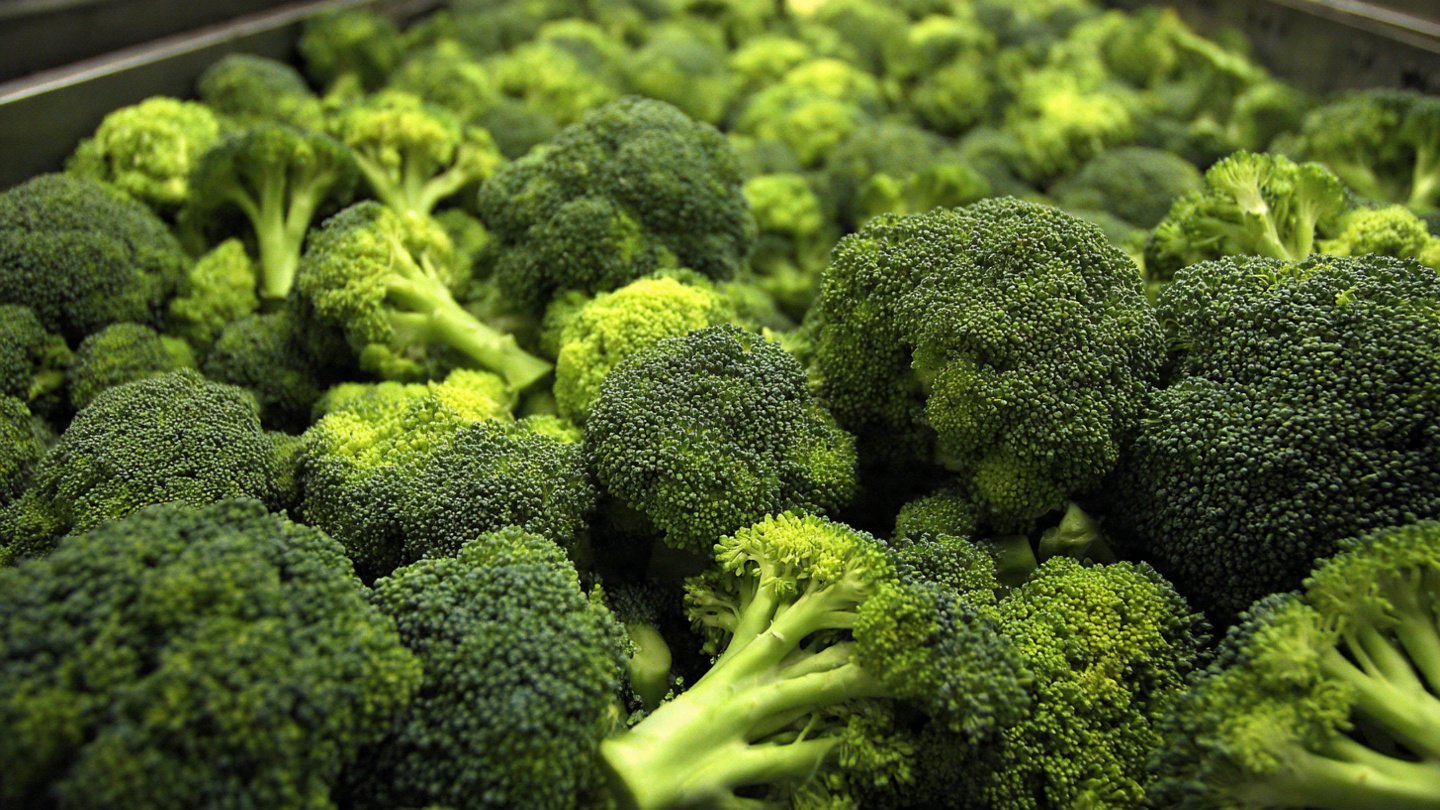
Broccoli is often hailed as a superfood, packed with essential nutrients, fiber, and antioxidants that promote overall health. From reducing inflammation to supporting heart health and aiding digestion, this cruciferous vegetable offers an impressive array of benefits. However, the way broccoli is prepared can significantly affect its nutrient content, particularly antioxidant vitamins such as vitamin C, carotenoids, and flavonoids. Many people debate whether broccoli is healthier raw or cooked, but research suggests that neither traditional boiling nor eating it completely raw is the ideal approach. Understanding the science behind broccoli’s nutrient retention can help you enjoy the maximum health benefits with every bite.
Nutritional Power of Broccoli
Before discussing cooking methods, it’s important to understand why broccoli is so valuable nutritionally. One cup of raw broccoli contains approximately:
- Vitamin C: 81 mg, over 90% of the recommended daily intake.
- Vitamin K: Around 92 mcg, essential for blood clotting and bone health.
- Folate: Approximately 57 mcg, important for DNA synthesis and repair.
- Fiber: Roughly 2.4 grams, aiding digestion and supporting gut health.
- Antioxidants: Compounds like sulforaphane, lutein, and beta-carotene, which help combat oxidative stress and inflammation.
These compounds make broccoli an important ally in preventing chronic diseases, supporting immune function, and promoting overall health. However, these nutrients are sensitive to heat, water, and cooking duration.
Why Boiling Reduces Nutrient Content
Boiling is one of the most common cooking methods, but it’s also one of the least effective at preserving broccoli’s nutrients. When broccoli is boiled:

- Water-Soluble Vitamins Leach Out: Vitamins like vitamin C and some B vitamins dissolve in water. Boiling can cause up to 50% of vitamin C to be lost within minutes.
- Antioxidant Reduction: Flavonoids and sulforaphane, crucial antioxidants, degrade in prolonged heat exposure.
- Texture and Taste Loss: Overcooked broccoli becomes soft, mushy, and less appealing, reducing the likelihood of regular consumption.
Even quick boiling can lead to significant nutrient loss, making this method less optimal for those seeking maximum antioxidant benefits.
Why Raw Broccoli Isn’t Always Best
Many health-conscious individuals assume that raw broccoli preserves all nutrients. While eating raw broccoli does retain most vitamin C, it isn’t perfect:
- Digestibility Issues: Raw broccoli contains cellulose and other tough fibers that can be difficult for some people to digest. This may lead to bloating or gas.
- Reduced Bioavailability of Some Nutrients: Certain compounds, like carotenoids and indole-3-carbinol, are more easily absorbed after mild cooking.
- Sulforaphane Activation: Sulforaphane, a key anticancer compound, is formed when the enzyme myrosinase in broccoli interacts with glucoraphanin. Light cooking can enhance this process, whereas completely raw or overcooked broccoli may reduce sulforaphane availability.
Therefore, neither raw nor boiled broccoli is perfect for maximizing health benefits.
Steaming: The Ideal Cooking Method
Scientific studies suggest that steaming broccoli for a short duration is the best way to preserve both antioxidant vitamins and bioactive compounds. Here’s why:

- Minimal Nutrient Loss: Steaming uses indirect heat, preventing water-soluble vitamins from leaching. Vitamin C, folate, and other antioxidants remain largely intact.
- Enhanced Bioavailability: Light steaming can break down tough cell walls, releasing compounds like carotenoids and indole-3-carbinol for better absorption.
- Preserved Sulforaphane: Steaming broccoli for 3–5 minutes maintains enzyme activity, allowing sulforaphane formation without degrading the compound.
- Improved Taste and Texture: Steamed broccoli retains a bright green color, a slightly crisp texture, and a sweeter flavor, making it more palatable than raw or boiled broccoli.
This method combines nutrient retention with digestibility and culinary appeal, making it the preferred choice for maximizing health benefits.
How to Steam Broccoli Properly
To get the most out of your broccoli, follow these simple steps:
- Prepare Fresh Broccoli: Wash thoroughly, and cut florets into uniform sizes to ensure even steaming.
- Use a Steamer Basket: Place the broccoli in a steamer basket over boiling water, making sure it doesn’t touch the water directly.
- Steam Briefly: Cover and steam for 3–5 minutes until the broccoli is tender-crisp. Avoid oversteaming, which can cause nutrient loss and a mushy texture.
- Optional Seasoning: A dash of olive oil, lemon juice, or herbs can enhance flavor without affecting nutrient content.
For those without a steamer, using a microwave with a small amount of water in a covered dish for 2–3 minutes can also be effective. The key is short, gentle heat exposure.
Other Cooking Methods to Consider
While steaming is optimal, other cooking techniques can also preserve nutrients if done carefully:

- Stir-Frying: Quickly cooking broccoli in a small amount of healthy oil at medium-high heat for 2–4 minutes retains most antioxidants while enhancing flavor.
- Sautéing: Similar to stir-frying, light sautéing can improve carotenoid absorption without significant nutrient loss.
- Microwaving: Using minimal water and short cooking times in the microwave can preserve vitamin C and sulforaphane.
Avoid methods like deep-frying or prolonged roasting at high temperatures, as these degrade heat-sensitive vitamins and antioxidants.
Tips for Maximum Nutrient Preservation
To get the most from your broccoli, keep these tips in mind:
- Use Fresh, High-Quality Broccoli: Nutrient content diminishes over time, so fresher broccoli is always better.
- Cut Just Before Cooking: Cutting broccoli too early exposes surfaces to oxygen, causing vitamin C degradation.
- Avoid Large Amounts of Water: Water-soluble vitamins leach into cooking water, so minimal water is best.
- Cook Quickly and Gently: Heat-sensitive vitamins and antioxidants are lost with prolonged exposure.
- Combine with Healthy Fats: Some antioxidants, like carotenoids, are fat-soluble. Adding a small amount of olive oil or nuts can improve absorption.
The Science Behind Antioxidant Retention
Research consistently shows that steaming broccoli preserves the most antioxidants:
- A study published in the Journal of Agricultural and Food Chemistry found that steaming broccoli retained 89% of vitamin C, compared to 66% for boiling.
- Sulforaphane levels were highest in lightly steamed broccoli versus raw or boiled, highlighting the importance of mild heat in enzyme activation.
- Flavonoid compounds, which combat oxidative stress, are more stable under steaming conditions than boiling or microwaving with excessive water.
These findings reinforce that the method of preparation significantly impacts the health benefits of broccoli.

Incorporating Steamed Broccoli into Your Diet
Steamed broccoli is versatile and easy to incorporate into meals:
- As a Side Dish: Lightly steamed broccoli with a squeeze of lemon and a pinch of sea salt makes a nutritious and flavorful addition to any meal.
- In Stir-Fries: Combine broccoli with other vegetables, lean protein, and a small amount of oil for a nutrient-rich main dish.
- In Salads: Allow steamed broccoli to cool slightly before adding to salads for added crunch and nutrition.
- As a Snack: Steam florets and enjoy with a healthy dip like hummus or yogurt-based sauces.
By making steaming a regular practice, you can enjoy the maximum benefits of this nutrient powerhouse.
Conclusion
Broccoli is a nutritional superstar, rich in vitamins, minerals, fiber, and antioxidants that support health and prevent disease. However, the way it is prepared dramatically affects the retention of its most valuable compounds. Traditional boiling often leads to significant nutrient loss, while eating broccoli raw can limit digestibility and reduce the bioavailability of certain antioxidants.
The best way to maximize both the taste and nutritional value of broccoli is short, gentle steaming. This method preserves water-soluble vitamins, maintains sulforaphane activity, enhances carotenoid absorption, and produces a tender-crisp, vibrant vegetable that is enjoyable to eat.

In addition to steaming, other methods such as quick stir-frying or microwaving with minimal water can also preserve nutrients if done carefully. Combined with proper handling, seasoning, and pairing with healthy fats, these techniques ensure that every serving of broccoli delivers the greatest possible health benefits.
Ultimately, the key to getting the most out of broccoli is understanding that neither boiling nor consuming it entirely raw is ideal. By adopting cooking methods that respect the vegetable’s delicate nutrients, you can enjoy its full antioxidant potential and make every bite a step toward better health.