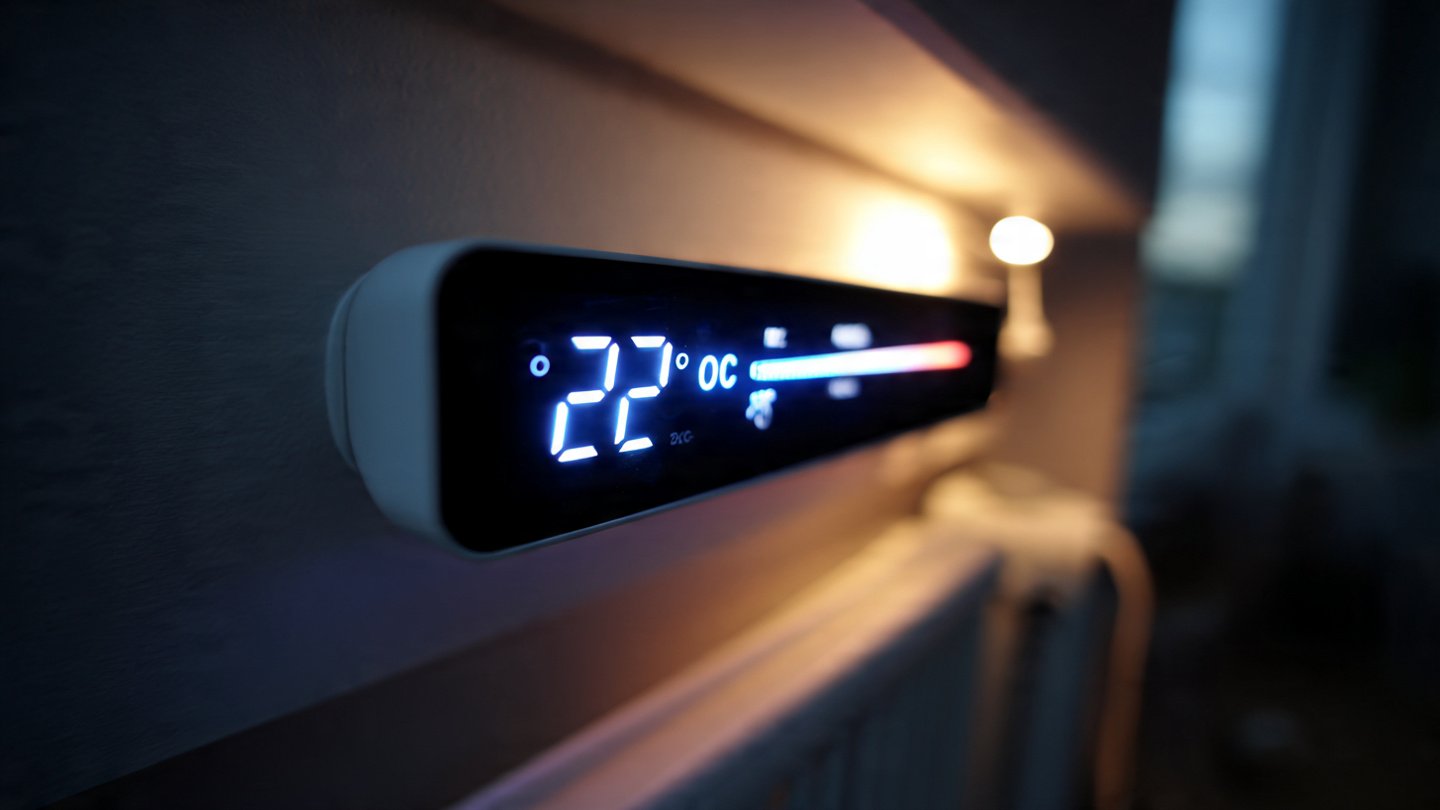
For years, the “19 °C rule” has been presented as the gold standard for indoor heating. Governments, energy agencies, and environmental campaigns have long encouraged households to keep thermostats set at 19 °C (66 °F) to balance comfort, health, and energy efficiency. It became a kind of universal benchmark—simple, memorable, and widely repeated.
But according to heating specialists, medical experts, and building scientists, that rule no longer reflects modern understanding of comfort, health, or how homes actually function. The truth is more nuanced: there is no single ideal temperature for everyone, and rigidly sticking to 19 °C may even be counterproductive in some cases.
So what has changed—and what temperature do experts now recommend?
Where the 19 °C Rule Came From
The 19 °C guideline dates back several decades and was based on older research into thermal comfort and energy consumption. At the time, it was considered a reasonable compromise: warm enough to avoid cold-related health issues, but cool enough to reduce heating costs and energy waste.
It was also designed for a different era of housing. Older homes often had poorer insulation, less efficient heating systems, and fewer ways to regulate temperature room by room. A single, moderate temperature was seen as the most practical solution.
However, modern homes—and modern lifestyles—have changed dramatically.
Why Experts Say the Rule Is Outdated
Today’s heating experts point to several reasons why the 19 °C rule no longer works as a universal recommendation.

First, people experience temperature differently. Age, health conditions, body composition, activity level, and even hormones influence how warm or cold someone feels. What feels comfortable for a healthy adult may feel uncomfortably cold for an elderly person or someone working at a desk all day.
Second, homes are no longer thermally uniform. Insulation quality, ceiling height, window size, humidity, airflow, and heating system type all affect how warm a space actually feels. Two homes set to 19 °C can feel radically different.
Third, experts now focus more on health and well-being, not just energy savings. Research has shown that indoor temperatures that are too low can contribute to respiratory problems, joint pain, poor sleep, and increased cardiovascular strain—especially for vulnerable populations.
The New Expert Consensus: Comfort Zones, Not Fixed Numbers
Rather than promoting a single temperature, experts now recommend temperature ranges tailored to usage, time of day, and individual needs.
According to heating engineers and public health specialists, the updated guidance looks more like this:
- Living areas (daytime): 20–22 °C
- Bedrooms (night): 17–19 °C
- Homes with elderly residents or infants: 21–23 °C
- Sedentary work environments: 21–22 °C
This approach reflects a shift away from rigid rules toward adaptive comfort—the idea that temperature should respond to how a space is used and who is using it.
Why 20–22 °C Is Now Often Recommended
Experts increasingly agree that 20–22 °C offers a better balance for most people in modern homes, especially during waking hours.

At this range:
- Muscles stay relaxed, reducing stiffness and joint discomfort
- Circulation is less strained, particularly for older adults
- Concentration and productivity improve in sedentary settings
- The immune system is less stressed by cold exposure
Dr. Elaine Foster, a specialist in environmental health, explains it simply: “For many people, 19 °C is not ‘neutral’—it’s slightly cold. That constant low-level cold stress can add up over time.”
Energy Efficiency Isn’t Just About Lower Temperatures
One of the biggest arguments for the 19 °C rule has always been energy savings. But experts now emphasize that efficiency depends more on consistency and insulation than on pushing temperatures uncomfortably low.
Constantly reheating a cold house uses more energy than maintaining a stable, slightly higher temperature. In well-insulated homes, holding 21 °C can actually be more efficient than repeatedly dropping to 17 °C and reheating.
Modern smart thermostats, zoning systems, and better insulation have changed the equation entirely.
The Hidden Role of Humidity
Another reason the old rule falls short is that it ignores humidity. Temperature alone doesn’t determine comfort—relative humidity plays a major role.
Dry air makes rooms feel colder, even at higher temperatures. Experts recommend maintaining indoor humidity between 40–60%, which can make 20–21 °C feel warmer than 19 °C in dry conditions.

This is why some people feel chilly at 19 °C while others are comfortable—it’s not just the number on the thermostat.
Health Considerations Experts Take Seriously
Medical experts have increasingly spoken out against overly cool indoor temperatures, especially during prolonged cold seasons.
Low indoor temperatures have been linked to:
- Increased blood pressure
- Higher risk of respiratory infections
- Worsening arthritis and joint pain
- Poor sleep quality
For older adults, the World Health Organization recommends a minimum indoor temperature of 21 °C, a guideline often overlooked in public discussions.
Bedrooms Are the Exception
Interestingly, experts still support cooler temperatures for sleeping—but with caveats.
A bedroom temperature of 17–19 °C is generally considered optimal for sleep, as it supports the body’s natural temperature drop at night. However, this assumes:
- Adequate bedding
- No drafts
- Normal circulation
If someone wakes up cold or struggles to fall asleep, experts advise raising the temperature slightly rather than forcing adherence to a rule.

Why One Number Never Worked
The biggest flaw in the 19 °C rule is that it assumes all homes and people are the same. Modern research shows comfort is subjective and dynamic.
Factors that influence ideal temperature include:
- Clothing and activity level
- Sun exposure and window orientation
- Building materials
- Individual metabolism
Experts now stress that thermal comfort is personal, and energy guidance should reflect that reality.
Smarter Heating, Not Colder Homes
The new philosophy is simple: heat smarter, not less.
That means:
- Heating rooms when they’re used
- Using programmable or smart thermostats
- Improving insulation and sealing drafts
- Allowing flexibility rather than fixed limits
A home that feels comfortable is easier to heat efficiently because occupants don’t resort to space heaters, excessive layering, or constant thermostat adjustments.
So What Temperature Should You Actually Set?
Experts suggest starting with 21 °C in main living areas, then adjusting slightly up or down based on comfort. If you feel relaxed, warm, and alert without overheating, you’re likely in the right range.

Rather than asking “Is this number efficient?” the better question is: “Is my home comfortably warm without waste?”
Final Thoughts
The 19 °C rule served its purpose in a different time, but experts agree it no longer reflects how people live—or what modern buildings need. Today’s recommendations focus on flexibility, health, and realistic comfort rather than rigid targets.
For most households, the new ideal isn’t colder—it’s smarter. A home heated to suit its occupants, layout, and daily rhythm is not only more comfortable but often more energy-efficient in the long run.
In short, heating guidance has evolved. And letting go of the outdated 19 °C rule might just make your home warmer, healthier, and more efficient than ever.