Reaching 100 years of age is no small feat. It’s a milestone that few achieve, yet those who do often share striking insights into what has allowed them to live so long. Many centenarians credit a combination of genetics, mindset, lifestyle, and a touch of luck. However, the common thread among those who thrive into their second century is consistency in daily habits and a refusal to surrender autonomy.
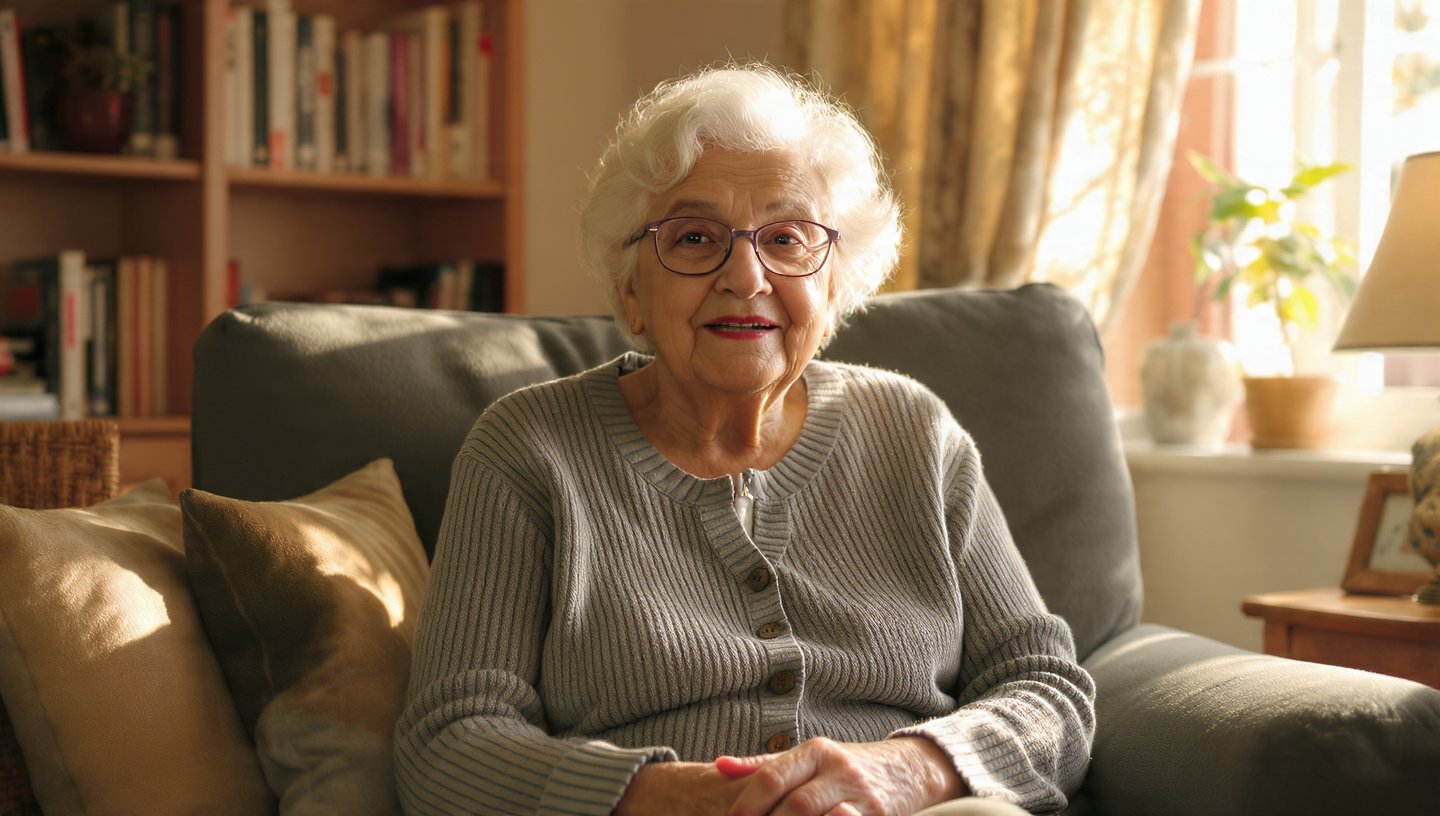
One inspiring example comes from a centenarian who candidly explains, “I refuse to end up in care.” At 102, she maintains independence, sharp mental faculties, and physical mobility. Her story offers practical lessons for anyone seeking not only longevity but quality of life in later years.
1. Prioritizing Physical Activity Every Day
One of the first habits she mentions is staying physically active. While she doesn’t adhere to an intense gym routine, her daily movements are purposeful and consistent. Walking, light stretching, and gardening form the backbone of her exercise regimen.
Research supports this approach. Regular physical activity, even moderate, improves cardiovascular health, strengthens muscles, and enhances balance—reducing the risk of falls and injuries. For centenarians, movement is less about chasing performance goals and more about maintaining independence.
She emphasizes: “I move every day, even if it’s just tidying the house or watering my plants. Sitting still is the enemy of a long, active life.”
2. Maintaining a Nutritious, Balanced Diet
Diet is another cornerstone of her longevity. She focuses on simple, fresh foods, favoring vegetables, legumes, whole grains, and lean proteins. Sugar and highly processed foods are minimal in her daily meals.

She also highlights portion control and mindful eating. Meals are modest but nutrient-dense, emphasizing quality over quantity. Drinking plenty of water and enjoying herbal teas contributes to hydration, another critical factor for maintaining energy and cognitive health in advanced age.
Studies of centenarians worldwide—from Okinawa, Japan, to Sardinia, Italy—support the link between nutrient-rich diets and extended lifespan. Eating fresh, minimally processed foods with high fiber content, antioxidants, and healthy fats promotes long-term health and disease prevention.
3. Mental Stimulation and Curiosity
Staying mentally active is as important as physical health. The centenarian engages in daily mental exercises, such as reading, solving puzzles, and staying informed about current events. She refuses to let her mind stagnate, treating mental stimulation as essential as walking or eating well.
Cognitive activity strengthens neural connections, improves memory retention, and can delay the onset of dementia. Lifelong curiosity, learning new skills, and engaging in problem-solving tasks are common traits among long-lived individuals.
She notes: “If I stop thinking, I stop living fully. Reading a newspaper, learning about history, or trying a new recipe keeps my mind sharp.”
4. Social Connections and Emotional Resilience
Loneliness and social isolation are linked to shorter lifespans, yet our centenarian remains socially active. She maintains strong ties with family, friends, and community members, frequently engaging in conversation and sharing meals.

Equally important is her emotional resilience. She chooses optimism over worry, resolves conflicts quickly, and avoids dwelling on negative thoughts. Centenarians often cite emotional well-being as crucial to longevity, with happiness and purpose acting as protective factors against chronic illness.
She explains: “I surround myself with people who lift me up. I refuse to carry grudges—they drain your energy and your health.”
5. Prioritizing Autonomy and Independence
Perhaps the most striking aspect of her lifestyle is her insistence on remaining independent. She avoids nursing homes or assisted living facilities, instead adapting her home and routines to maintain control over daily life.
Independence fosters purpose and self-esteem, which are vital for mental and emotional health. By making her own meals, managing finances, and performing daily tasks, she stays engaged and confident in her abilities. Research indicates that centenarians who actively maintain independence tend to enjoy better mobility, cognitive function, and overall life satisfaction.
Her mantra is clear: “I refuse to end up in care. I will take care of myself as long as I can.”
6. Consistent Sleep Patterns
Sleep is a critical, often overlooked factor in longevity. Our centenarian maintains regular sleep habits, going to bed and waking up at consistent times. Quality sleep supports the immune system, aids memory consolidation, and allows the body to repair itself naturally.

She avoids late-night stimulants, limits caffeine in the afternoon, and creates a calm, comfortable environment for rest. Her routine demonstrates that sleep consistency, rather than length alone, contributes significantly to long-term health.
7. A Purpose-Driven Life
Living a long life is not just about avoiding disease—it’s about maintaining purpose and engagement. She involves herself in hobbies, community activities, and personal projects that give her a sense of meaning.
Research on centenarians repeatedly finds that having a sense of purpose—whether caring for family, volunteering, or pursuing creative interests—is linked to better physical and mental health. A purposeful life promotes motivation, resilience, and happiness, all of which are critical for healthy aging.
8. Moderation and Mindful Choices
Moderation is a recurring theme. She emphasizes avoiding extremes in food, drink, and behavior. Unlike the myth of indulgent living being harmful, she believes in enjoying small pleasures but within balance.
She also practices mindfulness—being aware of her actions, thoughts, and surroundings. This awareness reduces stress, prevents harmful habits, and strengthens emotional regulation. Centenarians often credit moderation and intentional choices as key factors in longevity.
9. Adaptability and Acceptance
The ability to adapt is another hallmark of her life. She faces challenges—health changes, societal shifts, or personal loss—with flexibility rather than resistance. Acceptance of aging and life’s unpredictability reduces stress, which in turn supports longevity.

Adaptability allows her to modify routines without giving up independence. If her mobility declines, she adjusts exercises; if dietary needs change, she alters meals. This proactive approach prevents frustration and maintains quality of life.
10. Humor and Positivity
Finally, she stresses the importance of humor and a positive outlook. Laughing, finding joy in small moments, and maintaining a hopeful attitude are more than personality traits—they are protective mechanisms for long-term health.
Positive emotions are linked to lower inflammation, better heart health, and stronger immune response. Centenarians who view life with humor and optimism often demonstrate resilience in the face of adversity, allowing them to thrive longer.
Key Takeaways from Her Daily Routine
This centenarian’s lifestyle offers practical lessons for anyone seeking not just to live longer, but to live well:
- Move daily: Even gentle activity maintains strength, balance, and energy.
- Eat mindfully: Focus on fresh, nutrient-dense foods and avoid processed items.
- Engage your mind: Read, solve puzzles, and learn continuously.
- Prioritize relationships: Maintain social connections and emotional support networks.
- Stay independent: Adapt your environment and routines to remain autonomous.
- Sleep consistently: Support physical and mental health with regular rest.
- Find purpose: Engage in hobbies and activities that provide meaning.
- Practice moderation: Avoid extremes in all areas of life.
- Be adaptable: Adjust routines and expectations as circumstances change.
- Laugh often: Positivity and humor strengthen resilience and health.
Conclusion
The story of this centenarian shows that longevity is about more than genetics—it is shaped by daily habits, mindset, and a refusal to surrender autonomy. By embracing movement, nutrition, mental engagement, emotional balance, independence, and positivity, she has created a blueprint for thriving beyond 100.
Her mantra, “I refuse to end up in care,” reflects a broader principle: taking responsibility for one’s own life fosters empowerment, purpose, and resilience. Longevity is not just measured in years but in the quality of those years.

For anyone approaching or surpassing 60, her example offers a reminder: small, consistent habits compound over time. The choices you make today—what you eat, how you move, the thoughts you cultivate, and the routines you uphold—can shape a life that is long, healthy, and fulfilling.
Living beyond a century is not reserved for the lucky few; it is achievable when lifestyle, mindset, and daily habits align. Her life demonstrates that longevity is not simply about survival—it is about living fully, independently, and joyfully, every single day.