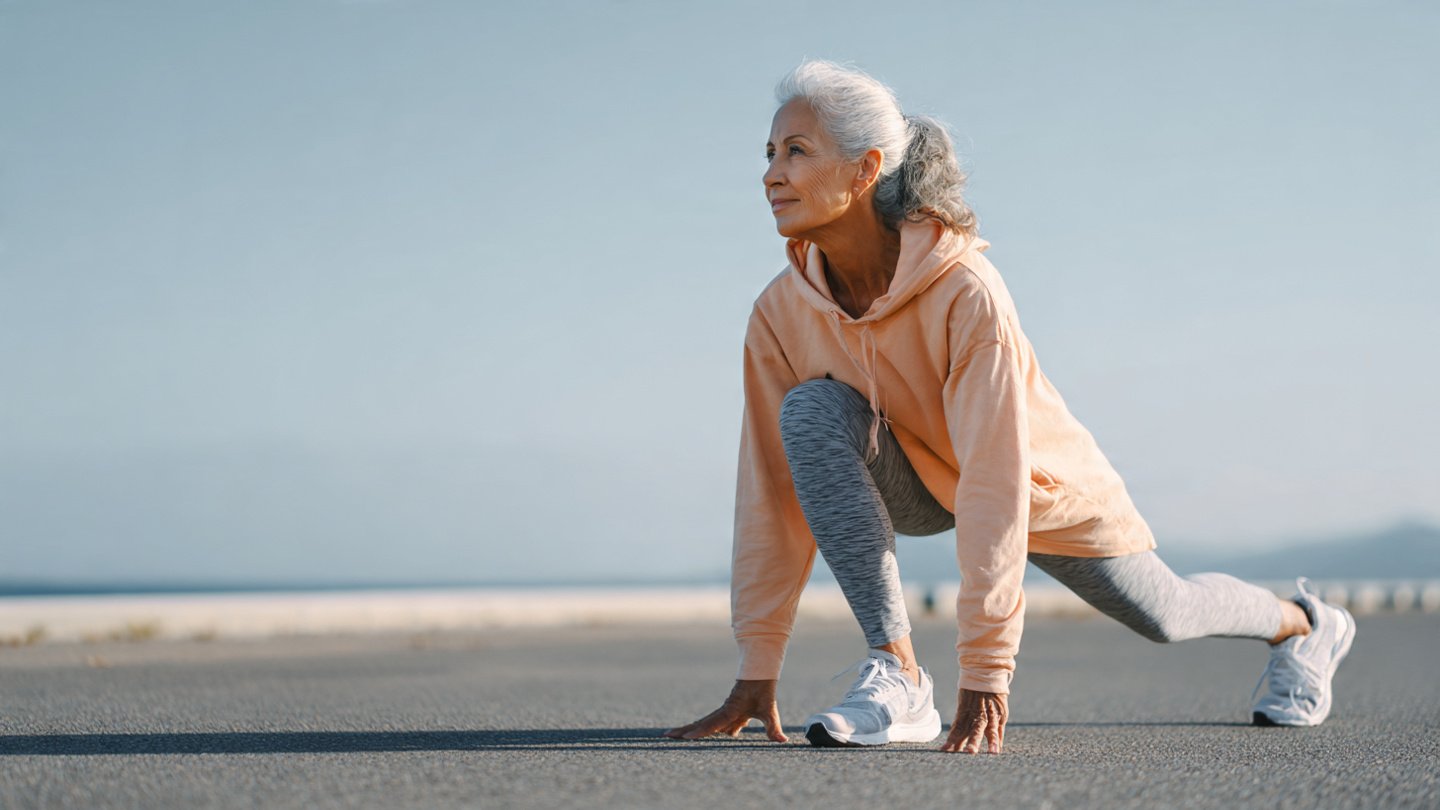
As we age, maintaining mobility and overall health becomes increasingly important. Conventional wisdom often emphasizes daily walks, weekly gym workouts, or low-impact exercise classes as the key to healthy aging. While these routines are beneficial, emerging research suggests that after the age of 70, the type and timing of movement may matter more than the duration or frequency. In fact, adopting a specific movement pattern—focused on short bursts of varied, functional activity throughout the day—can significantly improve your healthspan, enhancing not just lifespan but the quality of life in your later years.
Understanding Healthspan Versus Lifespan
Before diving into the movement strategy, it’s essential to clarify what health experts mean by “healthspan.” Lifespan refers simply to the number of years you live, whereas healthspan refers to the years you live without chronic disease, disability, or significant physical decline. In other words, healthspan is about living well, not just living long.
Research shows that even minor improvements in muscle strength, cardiovascular health, balance, and flexibility can have a profound impact on healthspan. However, traditional exercise routines, such as one-hour gym sessions three times a week or daily hour-long walks, may not provide the targeted benefits older adults need for longevity and functional independence.

The Problem With Conventional Exercise After 70
Many older adults follow standard fitness advice: take a brisk walk every morning or attend a weekly aerobics or weight-training session. While these activities are valuable, studies indicate that:
- Prolonged inactivity between sessions is harmful: Sitting or being sedentary for long periods—even if you exercise for an hour a day—can negate some of the health benefits of your workouts.
- One-size-fits-all exercise may not address functional needs: Strength, balance, coordination, and flexibility are critical for older adults to prevent falls, maintain independence, and support organ health. Walking alone rarely challenges these systems sufficiently.
- Recovery time changes with age: Older adults may not recover from intense workouts as quickly, making high-volume or long-duration exercises less effective and sometimes risky.
Because of these factors, experts now recommend a movement pattern that focuses on shorter, frequent bouts of functional movement throughout the day, rather than a single prolonged session.
The Optimal Movement Pattern for Those Over 70
The key concept is “distributed movement”, also referred to as “movement snacks.” This approach involves breaking up sedentary periods with short bursts of activity, mixing strength, balance, and mobility exercises throughout the day.

How It Works
- Frequency over duration: Instead of one long workout, engage in multiple 5-10 minute sessions of activity spread across the day.
- Functional focus: Activities mimic real-life movements—squats, step-ups, reaching, pushing, and pulling—to enhance daily function.
- Intensity adjustment: Moderate effort is sufficient. The goal is to challenge muscles, joints, and cardiovascular systems without overexertion.
- Variety: Combining strength, balance, flexibility, and light cardio improves overall physical resilience.
This pattern encourages regular blood flow, prevents muscle atrophy, and helps maintain neurological and musculoskeletal health—critical for reducing fall risk and preserving independence.
Practical Examples of Distributed Movement
Here are some practical ways to incorporate this movement pattern into daily life:
- Morning Mobility Routine (5-10 minutes):
- Gentle stretches for neck, shoulders, and spine
- Ankle circles and calf raises to improve lower-leg strength
- Chair squats or sit-to-stand exercises to strengthen core and legs
- Mid-Morning Functional Break:
- Walk for 5-10 minutes around the house or garden
- Carry light household items to simulate lifting and improve grip strength
- Lunchtime Strength Snack:
- Wall push-ups, step-ups, or mini-squats
- Balance exercises, such as standing on one leg for a few seconds per side
- Afternoon Flexibility and Balance:
- Gentle yoga or tai chi movements
- Calf stretches and spinal twists
- Practice getting up from the floor safely
- Evening Mobility Cool-Down:
- Shoulder rolls and arm stretches
- Ankle flexes and toe raises
- Light walking around the home to improve circulation
By spreading these short sessions across the day, older adults achieve continuous activation of muscles, joints, and the cardiovascular system, which supports long-term health and functionality.

The Science Behind Distributed Movement
Several studies highlight the benefits of this approach:
- Reduced Sedentary Risk: Research shows that breaking up sitting time, even with light activity, improves insulin sensitivity, reduces inflammation, and lowers the risk of cardiovascular disease.
- Preservation of Muscle Mass: Short, frequent strength exercises combat sarcopenia, the age-related loss of muscle mass and strength, which is a leading contributor to frailty.
- Improved Balance and Fall Prevention: Daily practice of balance exercises—even just 5 minutes—can significantly reduce fall risk, a major concern for adults over 70.
- Cognitive Benefits: Functional movement stimulates neurological pathways, helping maintain coordination, memory, and brain health.
Unlike traditional longer workouts, distributed movement integrates muscle, joint, and neurological stimulation throughout the day, leading to more consistent benefits.
Benefits You Can Expect
Adopting this movement pattern can yield multiple health benefits, including:

- Enhanced mobility and flexibility: Easier movement for daily tasks such as climbing stairs, carrying groceries, or getting in and out of chairs.
- Better cardiovascular health: Even brief bouts of activity raise heart rate, improving circulation and blood pressure regulation.
- Increased strength and endurance: Maintaining muscle mass supports independence and reduces fall risk.
- Improved metabolic health: Frequent movement helps regulate blood sugar, cholesterol, and body composition.
- Mental and emotional well-being: Short activity sessions release endorphins, reducing stress and improving mood.
Tips for Success
- Set reminders: Use alarms or phone alerts to ensure you move regularly.
- Incorporate movement into routine tasks: Fold laundry, water plants, or walk to check the mail as mini-exercise sessions.
- Use support if needed: Chairs, walls, or handrails provide safety while performing balance or strength exercises.
- Listen to your body: Move at a pace that feels safe and comfortable. Pain is a warning sign, not a badge of effort.
- Track progress: Even small improvements in mobility, balance, or strength can be motivating.
Common Misconceptions
- “I’m too old to start.” It’s never too late. Even people in their 80s benefit from distributed movement, and improvements in strength and balance are often noticeable within weeks.
- “I need the gym to stay healthy.” Functional exercises at home can be equally effective, provided they challenge muscles and joints safely.
- “Short sessions won’t make a difference.” Research consistently shows that frequent, brief activity bouts can improve metabolic, cardiovascular, and musculoskeletal health in older adults.
Getting Started
For those over 70, the first step is to replace long sedentary periods with micro-movements throughout the day. Start small—one 5-minute session every 2 hours—and gradually build up to multiple sessions combining strength, balance, and flexibility. With consistency, this approach becomes a natural part of daily life, offering better outcomes than traditional exercise routines alone.
Conclusion
While walking and gym workouts remain valuable, after 70, the most impactful movement pattern isn’t about the duration or intensity of a single session. Instead, it’s about distributed, functional activity spread across the day. Short bursts of strength, balance, and mobility exercises not only preserve muscle and joint function but also enhance cardiovascular health, metabolic stability, and cognitive performance.
By adopting this approach, older adults can significantly extend their healthspan—remaining independent, active, and vibrant well into later life. It’s not about pushing harder or longer; it’s about moving smarter, more frequently, and in ways that align with the body’s changing needs.

Embracing distributed movement transforms daily life from a series of sedentary hours punctuated by occasional exercise into a dynamic, health-promoting routine. For anyone over 70, this shift can mean the difference between simply living longer and truly living well.