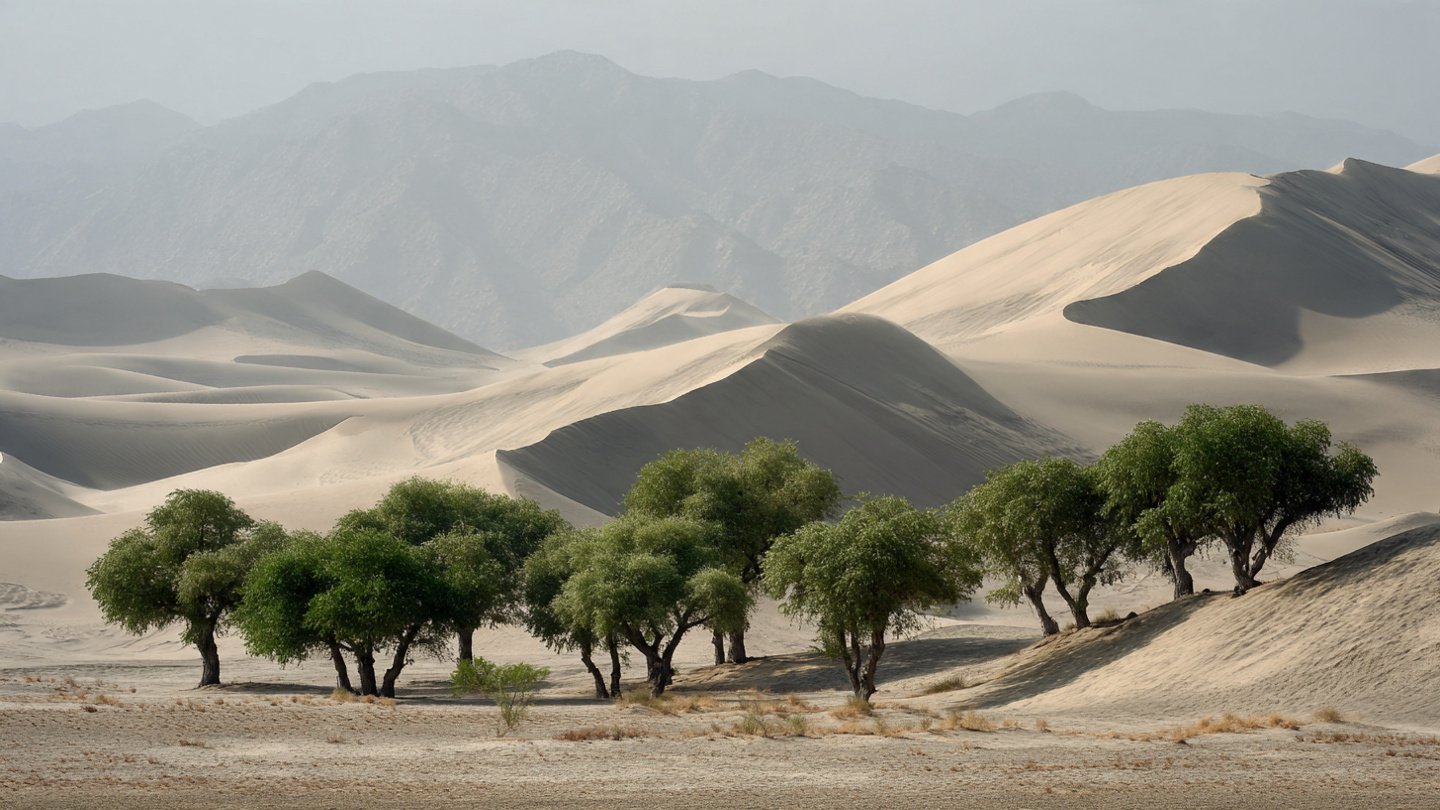
China is a nation known for its ambitious environmental campaigns. Among the most striking is its effort to plant billions of trees to combat desertification, restore degraded lands, and curb climate change. Over the past few decades, vast areas of the country have been transformed with new forests, stretching across arid regions that were once dominated by sand and sparse vegetation. On paper, this initiative seems like a win-win: trees absorb carbon dioxide, reduce soil erosion, and provide a natural barrier against the spread of deserts.
Yet, while the campaign has undoubtedly slowed the advance of deserts in some areas, it has also sparked intense debate among ecologists and environmental scientists. Some experts argue that, despite good intentions, the massive tree-planting effort may be harming local ecosystems and threatening biodiversity. This paradox — success and concern coexisting — highlights the complexity of environmental interventions on a massive scale.
The Scale of China’s Tree-Planting Campaign
China’s tree-planting efforts are staggering. Programs like the “Green Great Wall” or “Three-North Shelter Forest Program” aim to create a belt of trees stretching thousands of kilometers across northern China, from the arid regions near Inner Mongolia to the deserts of Xinjiang. The initiative, which began in 1978, has planted over 66 billion trees to date, with some estimates suggesting that more than 1 billion trees are planted each year.
The goals of this monumental effort are clear:

- Combat desertification: Prevent the expansion of deserts such as the Gobi and the Tengger into fertile lands.
- Improve air quality: Trees act as natural filters, reducing dust and particulate matter in the air.
- Reduce soil erosion: Forested areas are less vulnerable to wind and water erosion.
- Sequester carbon: Trees absorb carbon dioxide, helping mitigate climate change.
There is evidence that these programs have reduced the spread of sand and stabilized soils in some areas. Satellite imagery shows patches of green creeping into historically barren landscapes, and reports indicate that some previously desolate regions now support modest vegetation cover.
The Unexpected Consequences
However, success has come with unintended side effects. Planting trees in massive monocultures or in unsuitable environments can backfire. Several key concerns have emerged:
- Water Stress
Many of the arid regions targeted for reforestation have extremely low rainfall, sometimes less than 200 millimeters per year. Trees require far more water than native grasses or shrubs. Experts have noted that some planted forests are now depleting groundwater and straining local water supplies. In some regions, wells have dried up, and rivers that once supported communities now struggle to maintain flow. - Loss of Native Biodiversity
Large-scale planting often involves non-native species such as poplars and pines, chosen for rapid growth. While these species may survive harsh conditions, they can displace native plants that are adapted to the local ecosystem. This monoculture approach reduces biodiversity, alters habitats, and disrupts food chains. Some ecologists warn that while there is more “green,” the ecological quality of the land may have declined. - Soil Degradation
Paradoxically, planting trees in inappropriate areas can accelerate soil degradation. Shallow-rooted or water-hungry species can lower water tables and reduce soil moisture, making conditions worse for other plants. In certain cases, trees planted on sandy soils have increased wind exposure in adjacent areas, inadvertently promoting desertification nearby. - Economic and Social Impacts
Many tree-planting projects require significant labor and resources. Local communities may be affected if water resources are diverted from agriculture or if natural grasslands — which support grazing livestock — are replaced with forests that provide little local benefit.
The Debate Among Experts
The discussion among ecologists is nuanced. On one side, supporters argue:
- The campaign has slowed the desert’s expansion in certain critical areas.
- Even monocultures provide carbon sequestration benefits.
- Reforestation campaigns have raised public awareness about environmental issues and inspired other nations to pursue large-scale tree-planting.
On the other side, critics caution:

- Not all tree planting is ecologically beneficial. Some areas are better suited to grasslands, shrubs, or natural deserts.
- “Green deserts” — forests that exist in water-poor environments — may offer illusory ecological benefits while depleting vital resources.
- Restoring ecosystems requires ecological knowledge, not just planting trees. For example, preserving native species and natural succession may be more effective long-term than large-scale monocultures.
Dr. Wei Liu, an environmental scientist at Peking University, emphasizes that “more trees do not always equal better ecosystems. Ecological restoration requires understanding native plant communities, water cycles, and local climate conditions.”
Lessons From Other Countries
China’s experience is not unique. Countries like India, the United States, and Ethiopia have pursued large-scale tree planting with mixed results. For instance, Ethiopia’s famous “Green Legacy” program planted millions of trees in a single day in 2019, but some plantings struggled due to poor species selection and inadequate follow-up care.
These examples reinforce a critical lesson: scale alone does not guarantee ecological success. Effective restoration requires aligning species choice, planting density, and local environmental conditions. In other words, ecological restoration is as much about science as ambition.
Moving Toward Sustainable Solutions
China is gradually adapting its approach. Modern forestry programs are emphasizing:

- Native species: Planting trees that are naturally suited to local soil and climate conditions.
- Mixed ecosystems: Creating forests with a variety of species rather than monocultures.
- Water efficiency: Avoiding species that consume excessive water in arid regions.
- Monitoring and maintenance: Ensuring that planted trees survive and contribute to ecosystem health over time.
There is also growing recognition that forests are not the only solution to desertification. Grasslands, shrubs, and wetlands play vital roles in stabilizing soils, supporting wildlife, and maintaining water balance. Some regions are experimenting with hybrid approaches that combine trees with native grasses and shrubs for a more resilient ecosystem.
The Broader Implications
China’s reforestation effort demonstrates both the promise and pitfalls of large-scale environmental intervention. It underscores the importance of considering ecological complexity and long-term sustainability rather than focusing solely on immediate aesthetic or carbon sequestration goals.
While the campaigns have achieved impressive milestones — slowing desert expansion, improving air quality, and sequestering carbon — they also highlight the dangers of a one-size-fits-all approach. Environmental restoration is rarely simple, and well-intentioned initiatives can produce unintended consequences if ecological principles are overlooked.
For policymakers, scientists, and environmentalists, the message is clear: ambition must be balanced with ecological knowledge. Trees are powerful allies in combating climate change and desertification, but they are not a silver bullet. Effective restoration requires careful planning, attention to local conditions, and an understanding of ecosystem dynamics.

Conclusion
China’s tree-planting campaigns are among the largest environmental projects in human history. They have slowed desertification in some areas, raised awareness of environmental issues, and created a visually striking legacy of green landscapes across northern China.
Yet, as many experts point out, planting billions of trees without attention to local ecology can also harm ecosystems, deplete water resources, and reduce biodiversity. The challenge lies in finding a balance between ambitious environmental goals and ecological sustainability.
Ultimately, the lesson from China’s experience is profound: combating desertification and restoring ecosystems is not just about planting trees, but about understanding and working with nature. Success depends not only on scale but on science, careful planning, and respect for the intricate connections that sustain life in arid landscapes.
China’s green belt may continue to grow, but its ultimate value will depend on whether the trees planted truly strengthen ecosystems or simply create green deserts. The world is watching, learning, and taking note of the lessons from this bold, unprecedented effort.