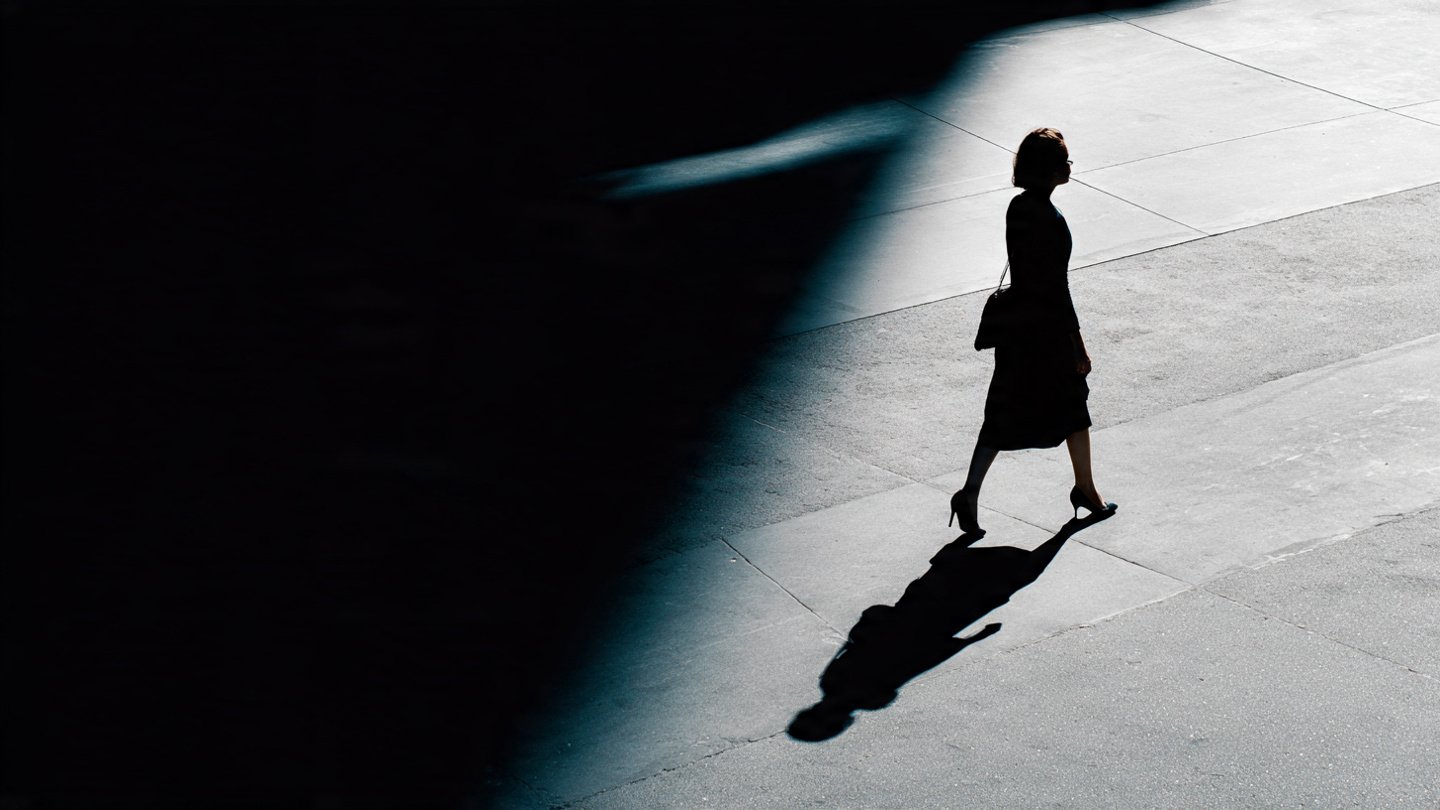
Have you ever noticed that feeling of subtle tension when walking behind someone, whether on a crowded sidewalk, a quiet trail, or even in a store? It’s a simple act—someone steps ahead—but psychology suggests it may communicate far more than just physical positioning. Walking behavior, especially in relation to others, can reveal unconscious social cues, power dynamics, personality traits, and even emotional states. Understanding these subtle signals can help decode interpersonal interactions and make sense of everyday social behavior that most people overlook.
The Psychology of Personal Space
To understand why walking ahead of someone matters, we first need to consider personal space, a concept deeply rooted in human psychology. Personal space refers to the invisible bubble individuals maintain around themselves, which varies by culture, personality, and context.
- Intimate space: 0–18 inches, reserved for close relationships.
- Personal space: 18 inches–4 feet, for friends and acquaintances.
- Social space: 4–12 feet, for professional or casual interactions.
- Public space: 12+ feet, used in public speaking or crowded settings.
Walking ahead often interacts with these zones. For instance, someone stepping ahead may be signaling a desire to establish or reinforce personal space, consciously or unconsciously. This can be a subtle assertion of boundaries or a reflection of comfort levels in social interactions.
Walking Ahead as a Social Signal
Walking position is a form of nonverbal communication, an aspect of human behavior that conveys information without words. According to psychologists, when someone walks ahead of you, it can mean a variety of things, depending on context and relationship:

- Power and Dominance:
Walking ahead can unconsciously communicate authority or control. People often step ahead in professional or social situations to assert leadership or direction. In a work context, for example, a manager might naturally walk in front during a site visit, signaling confidence and authority without saying a word. - Independence or Autonomy:
Some individuals value autonomy and may walk ahead to maintain a sense of personal control over the pace and path. This is particularly common among introverted personalities or people who prefer to navigate without feeling closely supervised or observed. - Social Anxiety or Avoidance:
Conversely, walking ahead might indicate discomfort with close proximity or social interaction. Individuals who are shy, anxious, or stressed may instinctively create physical distance by moving ahead rather than walking alongside someone. - Practicality or Speed:
Sometimes, the act is purely functional. Someone walking faster than you may not intend any psychological signal—it might simply reflect differing walking speeds, urgency, or focus on the destination.
Psychologists emphasize the importance of context. Cultural norms, relationship dynamics, and individual personality traits all influence how walking position is interpreted.
The Role of Nonverbal Cues
Walking ahead is often accompanied by other nonverbal cues, which can provide additional insight into the meaning behind the behavior:
- Posture: Upright posture with a confident stride may indicate dominance, while slouched shoulders can suggest anxiety or avoidance.
- Eye Contact: People who avoid eye contact while walking ahead may be disengaged or anxious, whereas those maintaining occasional glances could be signaling awareness or consideration.
- Hand Gestures: Gesturing toward directions or checking a phone while leading can indicate multitasking or confidence in navigation.
These cues combine with the act of walking ahead to create a subtle yet complex social signal.
Gender and Cultural Differences
Psychologists note that interpretations of walking behavior vary across genders and cultures.

- Gender: Studies suggest men are more likely to take the lead physically in mixed-gender pairs, sometimes reflecting traditional social roles or perceptions of protection and dominance. Women may walk ahead in certain contexts to assert independence or maintain personal space.
- Culture: In some cultures, leading or walking ahead may be seen as polite, efficient, or natural, while in others, it could be interpreted as rude or dismissive. Awareness of cultural norms is crucial to avoid misreading these signals.
Understanding these nuances helps explain why a behavior as simple as walking ahead can carry multiple interpretations.
Emotional Insights
Walking ahead can also reveal emotional states. According to psychology research, physical distance in walking often mirrors mental or emotional distance:
- Confidence and Optimism: Those who naturally walk ahead may feel in control or enthusiastic about reaching a destination. A confident stride often conveys energy, purpose, and self-assurance.
- Stress or Preoccupation: People preoccupied with thoughts may unintentionally walk ahead to create physical space, allowing them to process emotions without interruption.
- Attachment and Bonding: Close relationships can influence walking patterns. Couples or friends often walk side by side, signaling intimacy and connection. Walking ahead in such contexts may suggest mild disengagement or a desire for personal reflection.
By observing walking patterns alongside other emotional cues, psychologists can infer underlying moods or relational dynamics without verbal communication.
Walking Dynamics in Groups
In group settings, walking position takes on even more significance. Psychologists and social behavior researchers have studied pedestrian patterns in teams and crowds:

- Leadership Emergence:
In group walks, the person who consistently moves ahead is often unconsciously identified as a leader or decision-maker. Others tend to follow their pace and path. - Social Cohesion:
Walking side by side fosters cohesion and equality, while distance can indicate hierarchy or discomfort. - Conflict and Avoidance:
Individuals who step ahead or lag behind may be signaling disagreement, discomfort, or avoidance of group dynamics.
Observing walking patterns in groups can reveal subtle social hierarchies and interpersonal tensions.
Psychological Theories in Action
Several psychological theories help explain why people walk ahead:
- Proxemics Theory: Proposed by anthropologist Edward T. Hall, this theory examines how humans use space to communicate. Walking ahead can reflect spatial preferences and social intentions, such as dominance or avoidance.
- Social Comparison Theory: People often compare themselves to others subconsciously. Walking ahead can be a subtle way to assert status or differentiate oneself from peers.
- Attachment Theory: An individual’s attachment style influences interpersonal behaviors. Securely attached individuals may feel comfortable walking side by side, while anxious or avoidant personalities might step ahead to maintain psychological distance.
These frameworks illustrate that simple walking patterns can reflect complex psychological processes.
Practical Takeaways
For everyday interactions, understanding the meaning behind walking behaviors can improve social awareness and communication:

- Don’t Assume Intent: Walking ahead does not automatically indicate rudeness or superiority. Context, personality, and situational factors matter.
- Observe Patterns: Notice whether someone consistently walks ahead or only in specific situations. Patterns can provide deeper insight into personality and relationship dynamics.
- Adjust Your Response: If walking with someone who often steps ahead, consider whether it’s a speed, comfort, or social signaling issue. Adjust your pace, communicate, or respect their preferred space.
- Use Self-Awareness: Reflect on your own walking habits. Are you unintentionally signaling dominance or anxiety by your position relative to others? Awareness can improve interactions.
By paying attention to these subtle cues, you can navigate social and professional environments more effectively.
When Walking Ahead Matters Most
Situations where walking ahead carries significant psychological weight include:
- Professional Settings: Colleagues or clients may use walking position to signal authority or decision-making. Understanding this helps interpret workplace dynamics.
- Social Contexts: Friends or acquaintances may reveal comfort levels or interpersonal distance preferences through walking.
- Romantic Relationships: Walking patterns can indicate emotional connection, attachment style, or engagement levels.
- Crowded Public Spaces: Awareness of walking signals helps navigate pedestrian dynamics safely and politely.
Recognizing these subtle cues can improve empathy, social intelligence, and situational awareness.
Conclusion
The simple act of someone walking ahead of you carries a wealth of psychological meaning. Far from being merely a matter of speed or habit, it can communicate dominance, independence, social comfort, emotional state, or relational dynamics. Context, culture, and personality all shape how this behavior is expressed and interpreted.

Psychologists emphasize that these behaviors are largely subconscious, influenced by innate social instincts and learned patterns. Observing and understanding walking behavior enhances interpersonal insight, helping people navigate both casual and professional relationships more effectively.
Whether it’s in a crowded street, a workplace hallway, or a leisurely stroll, paying attention to who walks ahead, who walks alongside, and how distance is maintained offers subtle clues about intentions, emotions, and social dynamics. Rather than taking it personally, recognizing these signals can improve empathy, communication, and connection in everyday life.
So, next time someone steps ahead of you, pause for a moment. Their choice of position is more than a physical movement—it’s a small window into the human psyche, revealing patterns of emotion, personality, and social interaction that speak volumes without a single word.