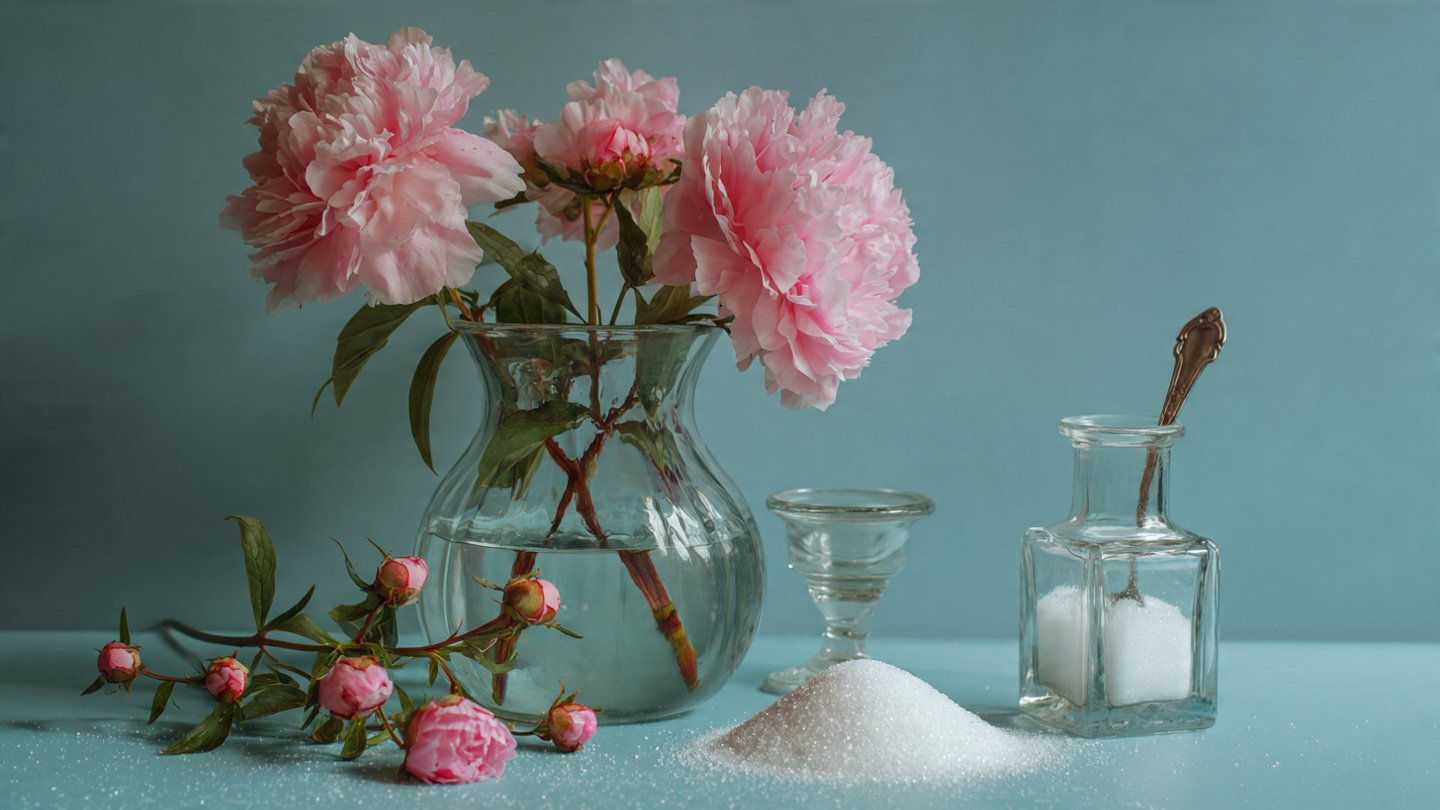
There’s a reason florists and gardeners have long whispered about the “sugar trick” for cut flowers: a simple spoonful of sugar in a vase can transform drooping stems into upright, vibrant blooms and extend the life of your bouquet. While the idea may seem too simple to be true, science and experience show that this method works because it addresses the essential needs of flowers—hydration, nourishment, and bacterial control. Understanding why sugar works, how to use it correctly, and how to enhance its effects can help anyone enjoy longer-lasting, healthier flowers.
Why Cut Flowers Struggle
Freshly cut flowers are incredibly delicate. Once severed from their plant, they lose access to roots, soil nutrients, and natural water transport systems. The main challenges cut flowers face include:
- Hydration issues: Without roots, stems can no longer draw water efficiently. Air bubbles can form in the stem’s vascular system, preventing proper water flow.
- Nutrient deprivation: Flowers continue metabolic processes after cutting, which requires sugar and minerals normally obtained from the plant.
- Bacterial growth: Water in vases can quickly become a breeding ground for bacteria and fungi, which clog the stems and accelerate wilting.
- Ethylene sensitivity: Some flowers produce or are sensitive to ethylene gas, which speeds up aging and causes petals to droop.
By addressing these factors, it is possible to significantly extend the freshness and beauty of cut flowers. That’s where the sugar trick comes in.
How Sugar Helps
Sugar in the vase water serves multiple purposes:

1. Provides Energy
Flowers need energy even after being cut. Sugar, particularly sucrose, acts as a food source for the flower’s cells. Once dissolved in water, the sugar is absorbed through the stems’ vascular system and helps maintain metabolic activity. This energy:
- Sustains respiration in petals and leaves
- Supports cell elongation, helping stems stay upright
- Promotes the opening and longevity of buds
Without an energy source, flowers quickly exhaust their reserves and wilt within a few days. Adding sugar replenishes this energy, keeping blooms vibrant and stems strong.
2. Encourages Water Uptake
Sugars improve osmotic balance in the vase water, allowing stems to absorb water more efficiently. By increasing the water’s sugar content slightly, the solution mimics the natural sap in plants, reducing the risk of dehydration and drooping.
3. Combats Bacterial Growth (When Combined Properly)
While sugar alone can feed bacteria if overused, when combined with other ingredients—such as a small amount of bleach or citric acid (like lemon juice)—it helps feed the flowers while keeping harmful microorganisms in check. This balance prevents stem blockage and keeps the vascular system clear, allowing water to reach every part of the flower.

How to Use Sugar in Your Vase
The sugar method is simple but works best when used correctly. Here’s a step-by-step guide:
- Select clean vases: Start with a thoroughly washed vase to remove any existing bacteria or mold.
- Prepare the water: Fill the vase with fresh, lukewarm water. Cold water slows sugar dissolution and uptake, while very hot water can damage delicate stems.
- Add sugar: Stir in one teaspoon to one tablespoon of sugar per liter of water, depending on the size of the bouquet. Too much sugar can promote bacterial growth, so moderation is key.
- Optional additives: To prevent microbial growth, add a few drops of bleach, vinegar, or lemon juice. Commercial floral preservatives combine sugar with antibacterial agents for the same effect.
- Trim stems: Cut 1–2 cm off the stem ends at a 45-degree angle before placing them in the vase. This increases surface area for water and sugar absorption.
- Position flowers properly: Arrange the bouquet so no leaves are submerged in the water, which can rot and promote bacterial growth.
By following these steps, you provide the flowers with both hydration and energy, significantly extending their vase life.
Types of Flowers That Benefit Most
While most cut flowers benefit from sugar, some respond particularly well:
- Roses: Roses are prone to drooping and benefit from sugar’s energy boost and improved hydration.
- Carnations: Their thick stems absorb sugar readily, keeping blooms upright.
- Lilies: Sugar helps buds open fully and prolongs petal life.
- Tulips: These delicate stems can be supported longer when sugar is added to the vase.
Some flowers, like chrysanthemums and orchids, may benefit less from sugar alone and require additional floral preservatives or light care routines.

Science Behind the Trick
The effect of sugar on cut flowers has been studied extensively. Experiments demonstrate that sucrose solutions:
- Increase stem water uptake, keeping flowers turgid
- Delay senescence (aging) by providing energy for cellular respiration
- Extend petal color and firmness by maintaining osmotic balance
A study published in the Journal of Horticultural Science found that cut carnations in a sucrose solution lasted up to 50% longer than those in plain water. Similar results have been observed in roses, gerberas, and lilies, confirming the sugar trick’s effectiveness.
Enhancing Sugar’s Effect
While sugar alone helps, combining it with other natural solutions enhances flower longevity:
- Aspirin: Adding half a crushed tablet can reduce water pH slightly, helping flowers absorb sugar more effectively.
- Lemon juice or citric acid: Lowers water pH and inhibits bacteria.
- Bleach or hydrogen peroxide: Kills bacteria while sugar nourishes the plant.
- Plant food packets: Many commercial packets contain sugar, acid, and antibacterial agents, mimicking the benefits of DIY sugar water.
By combining these elements in small, controlled amounts, you create a balanced environment that promotes hydration, prevents decay, and maintains upright stems.

Common Mistakes to Avoid
Even a simple trick like sugar in the vase can fail if not done correctly. Common errors include:
- Too much sugar: Overloading the water can feed bacteria and accelerate stem blockage.
- Dirty vase: Residual bacteria or mold in unwashed containers counteracts sugar’s benefits.
- Submerging leaves: Leaves in water rot quickly and encourage microbial growth.
- Ignoring water changes: Replacing the water every 2–3 days prevents bacterial buildup and maintains sugar effectiveness.
- Cold water use: Cold water slows sugar absorption and hydration.
Correcting these mistakes ensures that the flowers stay upright, hydrated, and visually appealing for days longer than standard care methods.
The Aesthetic and Emotional Benefits
Keeping flowers upright and hydrated is more than just scientific—it has emotional and aesthetic value. Fresh flowers:
- Enhance interior spaces with color, fragrance, and vitality
- Boost mood and well-being, reducing stress and promoting happiness
- Support creative arrangements, allowing stems to maintain shape and height for design flexibility
By applying the sugar trick, anyone can enjoy bouquets that look as if they were just cut, even several days after purchase.

Conclusion
The humble spoonful of sugar is a simple yet powerful tool for anyone who wants longer-lasting, healthier cut flowers. By providing energy, enhancing water uptake, and supporting stem strength, sugar helps flowers stay upright and hydrated while delaying wilting and color loss. Combined with clean water, proper trimming, and optional antibacterial additives, this easy technique can extend the life of your bouquets by days or even weeks.
Whether you are arranging roses for a special occasion, maintaining lilies in a home vase, or simply enjoying the beauty of seasonal blooms, the sugar trick is a reliable, cost-effective, and environmentally friendly solution. The next time you bring flowers home, remember: sometimes, all it takes is a spoonful of sugar to keep them thriving.