Keeping food fresh is one of the most persistent challenges in any kitchen. Whether it’s leftover vegetables, fresh herbs, fruit, or cooked meals, spoilage is a common frustration that can lead to wasted money, time, and ingredients. Many people automatically assume that maintaining freshness requires specialized containers, vacuum sealers, or high-tech gadgets. While these tools can help, there is one simple, surprisingly effective kitchen habit that can significantly extend the life of your food without any expensive gear: understanding and managing moisture and air exposure properly.
This habit focuses on how you handle, store, and prepare your ingredients, rather than relying solely on storage devices. With a few simple techniques, you can reduce waste, retain flavor, and keep your ingredients looking and tasting fresh for days—or even weeks longer.
Understanding Why Food Spoils
Before diving into the habit itself, it’s important to understand why food goes bad. Spoilage is usually caused by a combination of bacteria, mold, and enzymatic reactions. These processes are influenced by three main factors:
- Moisture – Excess water encourages microbial growth. Wet surfaces on vegetables or fruits provide an ideal environment for bacteria and mold.
- Air Exposure – Oxygen accelerates oxidation, which can lead to discoloration, off-flavors, and nutrient loss.
- Temperature – While refrigeration slows spoilage, improper storage can still allow microbial activity to continue.
Most traditional storage solutions, such as Tupperware or vacuum sealers, work by controlling one or more of these factors. However, you can achieve similar results by adopting a simple habit that combines both air and moisture management without investing in special containers.

The Habit: Wrap and Separate Strategically
The kitchen habit that keeps food fresh longer is simple: wrap foods properly and separate them according to moisture content and type. This approach is surprisingly effective for both perishable and semi-perishable items, including vegetables, fruits, cheeses, and baked goods.
1. Wrap Produce Properly
Produce is often the first victim of spoilage. Greens wilt, berries mold, and sliced vegetables lose their crispness. To prevent this, consider the following:
- Greens and Leafy Vegetables: Wrap leafy greens like lettuce, spinach, or kale in a clean, slightly damp paper towel before placing them in a loosely sealed plastic bag or reusable cloth bag. The paper towel absorbs excess moisture, while the bag reduces air exposure.
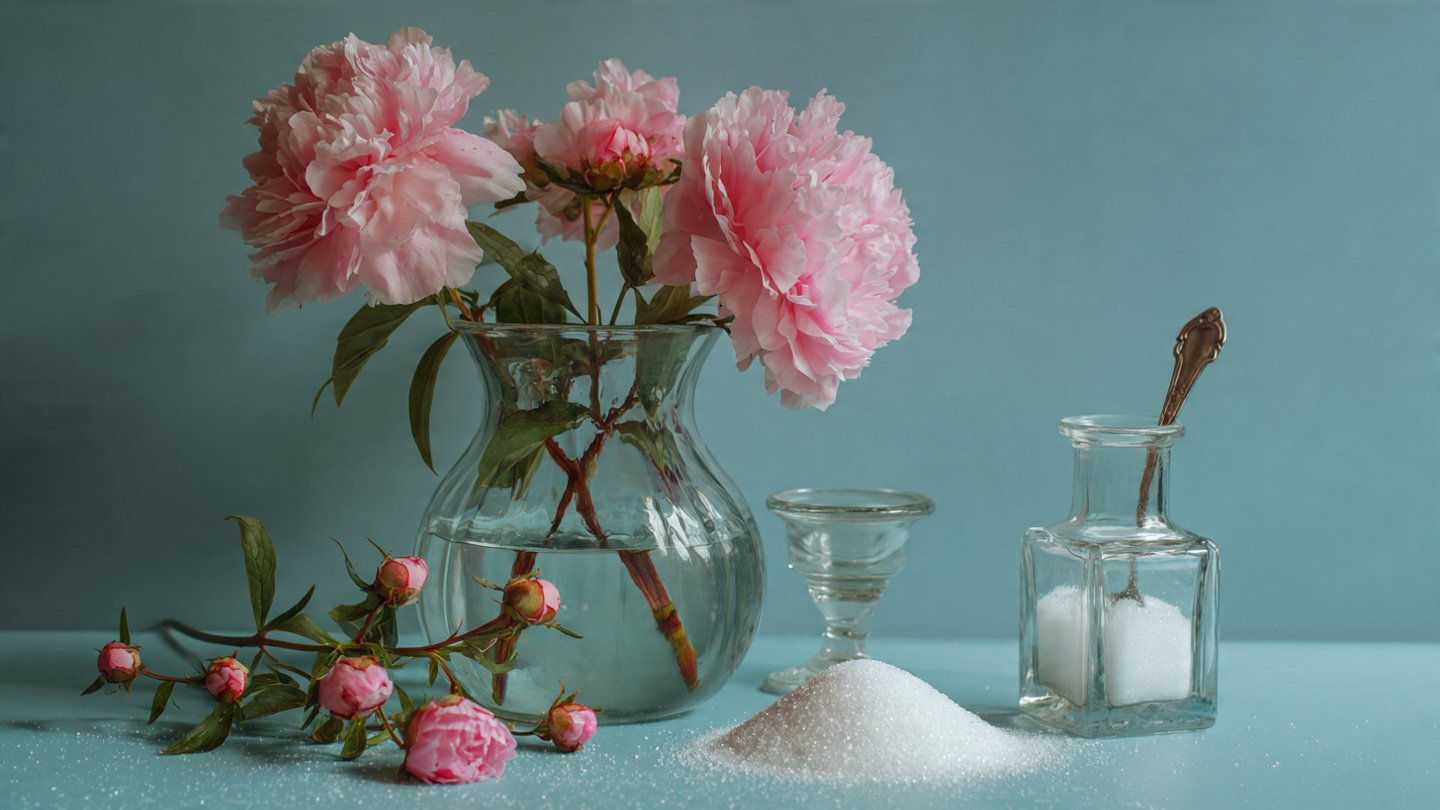
- Herbs: Herbs such as parsley, cilantro, and basil should be treated like flowers. Trim the stems, place them in a small jar with water, and cover loosely with a plastic bag. This keeps them hydrated without suffocating them.
- Root Vegetables: Carrots, radishes, and beets benefit from being wrapped in a dry cloth or paper towel before refrigeration. The wrapping prevents moisture accumulation, which can cause rot.
2. Separate Fruits and Vegetables
Another key part of this habit is avoiding mixing fruits and vegetables in storage, especially those that emit ethylene gas. Ethylene is a natural plant hormone that accelerates ripening. Fruits such as apples, bananas, and pears release high amounts of ethylene, which can prematurely spoil ethylene-sensitive vegetables like leafy greens, cucumbers, and broccoli.
- Store ethylene-producing fruits in a separate area of the fridge or pantry.
- Keep sensitive vegetables in crisper drawers with lower ethylene exposure.
- For long-term freshness, rotate produce regularly, using older items first.
By combining proper wrapping with strategic separation, you create a storage environment that reduces both moisture accumulation and oxidative damage.

Controlling Moisture Without Special Containers
Moisture is one of the biggest culprits in food spoilage, but it’s often overlooked. Here’s how to manage it effectively:
- Paper Towels: Placing a dry or slightly damp paper towel in storage containers absorbs excess moisture. For leafy greens, this prevents sliminess; for mushrooms, it keeps them from becoming soggy.
- Perforated Bags: Using bags with small ventilation holes allows air to circulate while retaining humidity, ideal for delicate vegetables.
- Avoid Washing Until Use: Washing produce before storage introduces additional water, which can speed up decay. Wash fruits and vegetables just before eating or cooking.
- Layering: For fragile items like berries, layer them on a paper towel-lined tray. This prevents moisture from pooling at the bottom and causing mold growth.
These small adjustments, combined with proper wrapping and separation, can drastically increase shelf life without any special containers or expensive tools.
Handling Leftovers and Cooked Food
The same principle applies to cooked foods and leftovers. Many people store them in deep containers without paying attention to moisture or air, which leads to sogginess or bacterial growth. To improve freshness:
- Wrap Loosely: Use parchment paper or foil to cover dishes without creating a completely airtight seal. This allows steam to escape while keeping food protected.
- Cool Before Refrigerating: Hot food placed directly into the fridge can create condensation, increasing moisture and accelerating spoilage. Let leftovers cool for 10–15 minutes first.
- Divide Large Batches: Instead of storing a large pot of food, divide it into smaller portions. Smaller containers cool faster, reduce moisture buildup, and make reheating more efficient.
These simple steps align with the “wrap and separate” habit, extending the life of your cooked meals without additional gadgets.

Storing Bread and Baked Goods
Bread and pastries are notorious for going stale quickly. Traditional advice often suggests plastic bags, but these can trap moisture and cause mold. The simple habit here is also based on moisture management:
- Store bread in a paper bag or wrap it in a clean kitchen towel. This allows the bread to breathe, preventing condensation while maintaining softness.
- For long-term storage, freeze portions and thaw as needed. The habit of wrapping and separating applies here too: wrap each slice or portion individually to prevent freezer burn and maintain quality.
The Role of Temperature and Placement
Even without specialized containers, you can improve freshness by paying attention to temperature zones in your kitchen and fridge:
- Cold Zones: Place perishable items like dairy, meat, and leafy greens in the coldest part of the fridge.
- Crisper Drawers: Use these for vegetables and fruits, but keep ethylene-producing fruits separate.
- Pantry Storage: Store dry goods like onions, potatoes, and garlic in a cool, dark, and dry location. Avoid storing these near fruits that produce ethylene.
By combining careful placement with wrapping and moisture control, you create a system where food naturally stays fresher longer.
Why This Habit Works
The genius of this simple kitchen habit lies in its focus on reducing the two main enemies of freshness: moisture and air exposure. By wrapping food to control moisture and separating items to control ethylene and airflow, you mimic the effects of high-tech containers without spending a dime.

This habit is also highly adaptable:
- It works for fresh produce, leftovers, and baked goods.
- It doesn’t require special containers, vacuum sealers, or gadgets.
- It can be applied immediately with materials already in your kitchen.
Furthermore, it promotes mindfulness in the kitchen. By handling food carefully and storing it thoughtfully, you develop better awareness of expiration dates, rotation, and portion management. This reduces waste and saves money over time.
Additional Tips for Maximum Freshness
To get the most out of this habit, consider these extra tips:
- Label and Date: Even without special containers, labeling wrapped items with dates helps ensure older food is used first.
- Check Weekly: Inspect produce for early signs of spoilage. Replace paper towels as needed to maintain proper moisture levels.
- Use Airtight Only When Necessary: Completely sealed containers are useful for soups and liquids but can trap moisture for solids, leading to spoilage.
- Separate by Ripeness: Keep ripe items separate from unripe ones to extend overall shelf life.
Conclusion
Keeping food fresh longer doesn’t have to involve expensive containers or complicated storage systems. The simple kitchen habit of wrapping items properly and separating them by type, moisture, and ethylene exposure is surprisingly effective. By controlling moisture and air exposure, you reduce the growth of bacteria, slow oxidation, and preserve flavor and texture.

This habit works across all types of food: leafy greens, fruits, herbs, root vegetables, bread, and leftovers. It’s inexpensive, easy to implement, and requires only materials you likely already have in your kitchen, such as paper towels, foil, or simple bags.
Incorporating this habit into your daily routine not only keeps food fresher but also encourages organization, reduces waste, and saves money. It’s a small change with a big impact, transforming your kitchen into a more efficient, sustainable, and enjoyable space.
Next time you unpack groceries or put away leftovers, remember: proper wrapping and thoughtful separation are more powerful than any fancy container. This simple habit can revolutionize how you store food, turning spoiled ingredients into fresh, flavorful meals day after day.