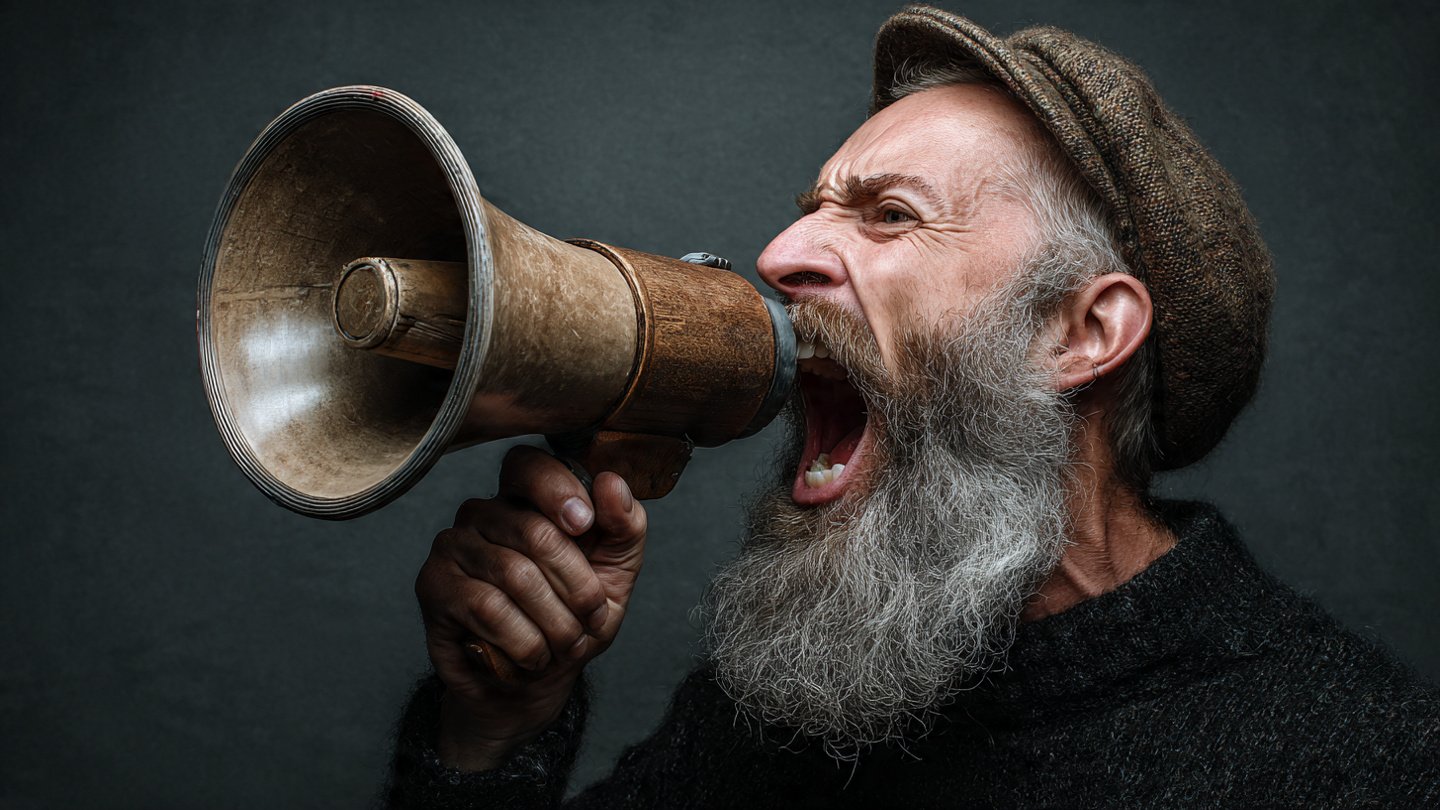
If you’ve ever been in a conversation with someone who seems to speak as if they are addressing a stadium, you may have wondered why they always talk so loudly. While it can be startling or even overwhelming, psychology offers a variety of explanations for why some people consistently raise their voices, regardless of setting. Far from being mere rudeness or habit, this behavior can be rooted in personality traits, neurological factors, social conditioning, and emotional states.
The Role of Personality
Personality is one of the primary factors that influence how loudly someone speaks. According to psychological research, people who consistently talk loudly often exhibit certain traits:
- Extroversion: Extroverted individuals tend to be socially assertive and expressive. They naturally project their voices, not necessarily to dominate conversations, but because they are energized by social interaction. Their speech volume reflects confidence, enthusiasm, and engagement rather than aggression.
- High Energy Levels: People with high energy or a fast-paced cognitive style may speak louder simply because their inner excitement spills into their voice. They may feel the need to match the intensity of their thoughts with vocal projection.
- Dominance and Assertiveness: Speaking loudly can signal confidence and authority. In both social and professional contexts, some individuals unconsciously use volume as a way to establish presence or control the conversation.
Neurological and Biological Factors
Beyond personality, there are neurological and biological reasons some people speak louder than others:

- Auditory Processing Differences: Some individuals have subtle hearing impairments, often unnoticed by themselves, which cause them to perceive their own voice as quieter than it actually is. As a result, they naturally speak louder to compensate.
- Vocal Cord and Respiratory Physiology: Differences in vocal cord length, lung capacity, and diaphragm strength affect natural speech volume. People with strong respiratory support and robust vocal cords may find loud speech easier and more comfortable than soft speech.
- Neurological Sensitivity: Certain neurological conditions, such as ADHD or sensory processing differences, may contribute to louder speech. For instance, individuals who are less sensitive to their own vocal volume may not realize how loudly they are speaking in social contexts.
Emotional and Psychological Drivers
Emotions play a powerful role in shaping speech patterns. Speaking loudly can be a manifestation of internal emotional states, including:
- Excitement or Passion: People discussing topics they care deeply about may unconsciously raise their voice. Their loud speech reflects emotional investment and eagerness to communicate effectively.
- Anxiety or Nervousness: Paradoxically, some individuals speak louder when they are anxious or insecure. Their volume compensates for discomfort, helping them feel more in control of the interaction.
- Anger or Frustration: Loud speech often signals heightened emotional arousal. While anger is an obvious driver, subtle frustration can also prompt someone to speak more loudly than usual.
Social and Environmental Influences
Social context and upbringing significantly affect speech volume:
- Family and Cultural Norms: Some people grow up in environments where loud speech is common or even encouraged. In large, bustling households or cultures where animated conversation is valued, speaking loudly becomes normalized.
- Occupational Conditioning: Teachers, performers, coaches, or public speakers often develop habitual loud speech to ensure they are heard. Over time, this vocal projection can carry over into personal interactions.
- Peer Influence: In social groups where dominant voices are the norm, individuals may unconsciously raise their volume to fit in or assert themselves.
Psychological Explanations for Persistent Loudness
Psychologists have identified several mechanisms explaining why some individuals consistently speak loudly:

- Need for Attention and Recognition: Loud speech can function as a social signal, ensuring that the speaker is noticed. People who feel overlooked may increase volume to assert presence in conversations.
- Externalization of Thoughts: For some, speaking loudly is a cognitive tool. Verbalizing ideas at high volume may help them process thoughts more efficiently, especially when thinking creatively or problem-solving.
- Habitual Behavior: Over time, loud speech becomes a conditioned habit. The individual may have learned in childhood or professional settings that projecting their voice ensures clarity, which then carries into all interactions.
- Compensation for Self-Doubt: Individuals who lack confidence in social situations may use volume as a protective mechanism, subconsciously overcompensating for perceived inadequacy or fear of being ignored.
The Impact of Loud Speech on Relationships
While loud speech has psychological roots, it can create social friction, especially when the listener is more sensitive to volume. Key impacts include:
- Misinterpretation: Loud speech can be perceived as aggressive or domineering, even when the speaker is simply enthusiastic or expressive.
- Listener Fatigue: Constant loudness may strain listeners’ auditory comfort, leading to reduced engagement or avoidance of conversations.
- Social Misalignment: People with softer speech styles may feel overwhelmed, which can affect teamwork, friendships, and family dynamics.
Despite these challenges, psychologists emphasize that the behavior is rarely intentional. Understanding the underlying causes fosters empathy and communication strategies that benefit both speakers and listeners.
Strategies for Modulating Speech Volume
For those who wish to adjust their speech volume, psychologists recommend self-awareness and targeted practice:

- Self-Monitoring: Record conversations or practice speaking in front of a mirror to develop awareness of actual volume.
- Mindfulness Techniques: Pausing before responding, focusing on breathing, and consciously lowering volume can reduce habitual loudness.
- Feedback from Others: Trusted friends, family, or colleagues can provide gentle reminders to modulate voice, helping the individual develop social awareness.
- Professional Guidance: Speech therapists or vocal coaches can teach techniques for controlling vocal projection, improving resonance, and maintaining clarity at lower volumes.
- Environmental Awareness: Adjusting volume to match room size, background noise, and group dynamics ensures communication is effective and socially appropriate.
Why Some Loud Speakers Don’t Change
Not everyone who speaks loudly will or needs to change. Psychologists note that certain personalities and roles thrive with louder speech. For example:
- Leaders and Educators: Volume can enhance presence and authority, making messages more persuasive.
- Entertainers and Performers: Loud speech aligns with audience engagement and energy levels.
- Extroverts with High Energy: These individuals may naturally gravitate toward loud speech because it matches their internal tempo and enthusiasm.
In these cases, loudness is not a problem but a strength when used appropriately.
Psychological Insights on Acceptance
Psychologists stress that loud speech is a variation of normal communication, influenced by personality, biology, and environment. Rather than labeling it as rude or incorrect, understanding the root causes fosters acceptance and tolerance. Some key takeaways include:

- Recognize that loudness often reflects internal traits rather than intent to dominate.
- Approach loud speakers with empathy, focusing on the content of their speech rather than volume alone.
- Encourage self-awareness for those who may unintentionally disrupt social harmony, using supportive feedback rather than criticism.
This perspective encourages a balanced view of loud speech, appreciating both its functional benefits and potential social challenges.
Conclusion
Speaking loudly is a multifaceted behavior rooted in personality, neurology, emotional state, and social conditioning. While it can sometimes be perceived as intrusive or overbearing, psychology explains that loud speech is rarely a deliberate attempt to dominate or annoy. For many, it is an expression of extroversion, energy, passion, or compensation for hearing and social factors.
Understanding these underlying causes allows us to respond with patience, empathy, and practical strategies. Whether by providing gentle feedback, adjusting social environments, or practicing vocal control techniques, both loud speakers and listeners can navigate communication more effectively.

Ultimately, loud speech is a reflection of human diversity in expression, offering insight into personality, emotion, and cognitive processing. Recognizing why some people always speak loudly not only deepens our understanding of communication but also strengthens relationships, social harmony, and mutual respect.
In a world filled with diverse voices, loud or soft, the key lies in listening with awareness and responding with empathy—because every voice, however amplified, has a story worth hearing.