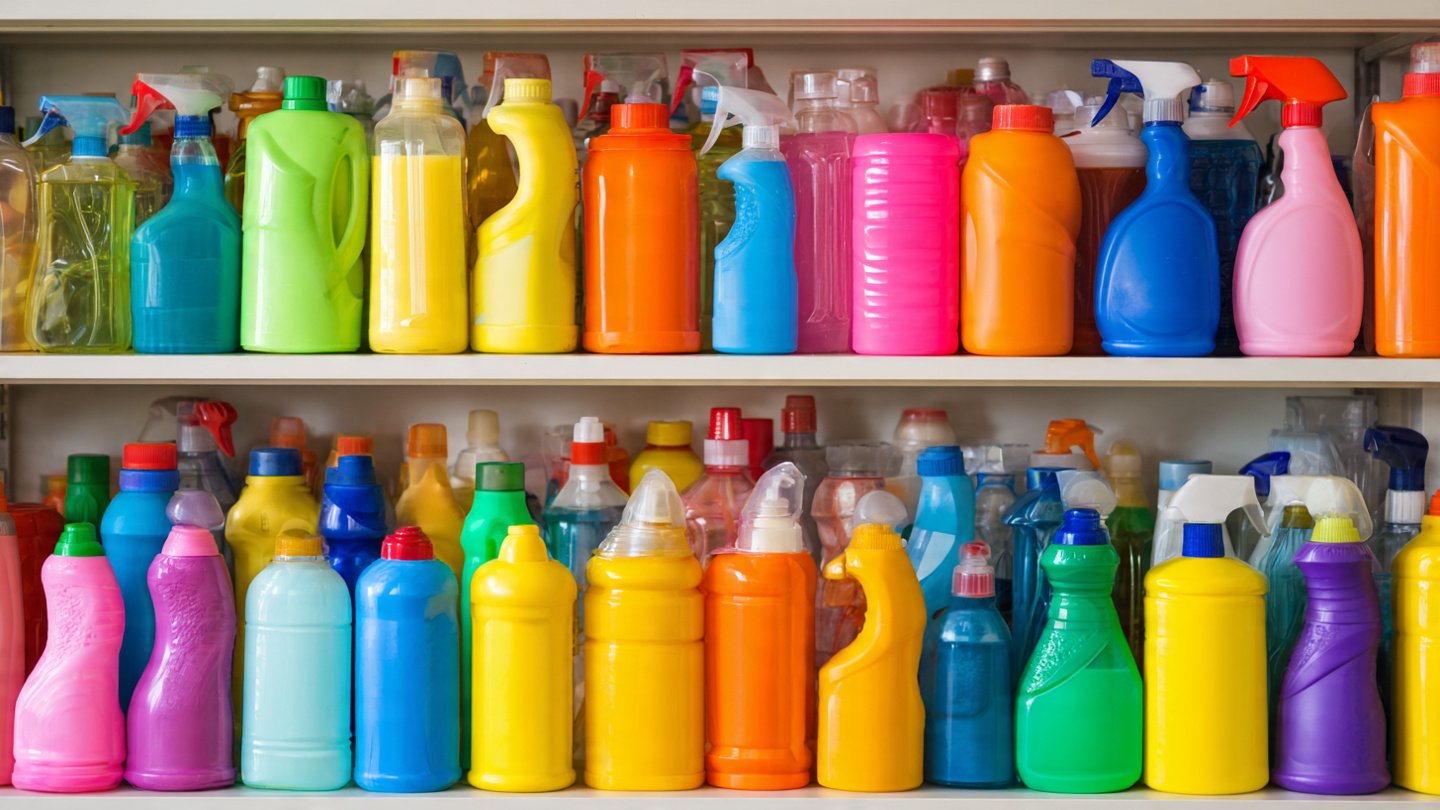
Cleaning products are essential in every household. From disinfecting kitchen counters to removing stubborn bathroom stains, they keep our homes safe, sanitary, and comfortable. Yet, despite their importance, most people fail to store these products properly, often unknowingly reducing their effectiveness. Improper storage can lead to chemical degradation, safety hazards, unpleasant odors, and wasted money. Understanding how to store cleaning products correctly is essential for maintaining a clean and safe home environment.
Why Proper Storage Matters
Cleaning products contain active chemicals designed to break down grease, kill germs, or remove stains. These chemicals are sensitive to environmental factors like temperature, light, moisture, and air exposure. When stored incorrectly, these compounds can degrade, becoming less effective over time. For example, bleach loses potency when exposed to heat or sunlight, while hydrogen peroxide rapidly decomposes when not kept in its original dark container.

Beyond effectiveness, improper storage can create safety risks. Many cleaning products are toxic or flammable. Storing them near heat sources, in direct sunlight, or within reach of children and pets increases the risk of accidents. Chemical reactions may occur if incompatible products are stored together, producing harmful fumes or even triggering fires.
Common Storage Mistakes
Despite the importance of proper storage, research and household observations reveal several frequent mistakes:

- Leaving Products in Hot or Humid Areas
Many people store cleaning supplies under the kitchen sink or in a bathroom cabinet. While convenient, these areas often experience temperature fluctuations and humidity. Excessive heat can cause chemical reactions, reducing potency, while humidity can corrode packaging or cause labels to peel, making it difficult to identify products. - Exposing Chemicals to Light
Certain cleaning agents, such as bleach and hydrogen peroxide, degrade rapidly when exposed to sunlight. Transparent bottles allow UV rays to penetrate, breaking down active compounds and rendering the products less effective. - Mixing Different Chemicals
Some households store all cleaning products together, assuming convenience outweighs risk. This can be dangerous, especially when acids, bases, and chlorine-based products are stored side by side. Accidental spills or leaks can lead to hazardous chemical reactions, including toxic fumes or explosions. - Not Sealing Containers Properly
Cleaning products must be tightly sealed to maintain effectiveness. A loose cap can allow air and moisture in, accelerating degradation. Products like ammonia, bleach, and aerosol sprays are particularly sensitive to air exposure. - Using Expired Products
Many people forget that cleaning products have a shelf life. Expired products lose efficacy, and in some cases, may even produce harmful byproducts. Regularly checking dates and discarding old or compromised products is crucial for safety and performance. - Storing Within Children’s Reach
Even non-toxic cleaning agents can pose hazards if ingested or mishandled. Children are naturally curious, and improper storage increases the risk of accidental poisoning.
How to Store Cleaning Products Correctly
Proper storage can extend the life of cleaning products, maintain their effectiveness, and enhance household safety. The following guidelines are essential:
- Keep Products in a Cool, Dry Place
Store cleaning supplies away from heat sources, direct sunlight, and humidity. A dedicated closet, pantry, or utility room with stable temperatures is ideal. Avoid areas near stoves, heaters, or windows, as these conditions accelerate chemical breakdown. - Store in Original Containers
Original packaging is designed to protect contents from air, light, and moisture. Additionally, labels contain crucial information, including safety instructions and expiration dates. Never transfer products into unmarked containers, as this increases the risk of misuse or accidental poisoning. - Seal Tightly
Always ensure caps, lids, or spray mechanisms are tightly closed after use. For liquid products, check for leaks before storing. Aerosol cans should be kept upright and away from heat, as puncturing or exposure to high temperatures can cause them to explode. - Separate Incompatible Chemicals
Never store acids (like toilet cleaners) next to bases (like ammonia) or bleach near vinegar. Even small leaks or spills can trigger dangerous reactions. Use separate shelves or bins labeled for different types of products. - Use Safety Locks or Cabinets for Children and Pets
If you have children or pets, invest in safety cabinets or locks. Even products labeled as “non-toxic” can cause irritation, vomiting, or other health issues if ingested. Educate older children about the dangers of cleaning products to encourage safe habits. - Check Expiration Dates Regularly
Set a routine to check the shelf life of cleaning products. Discard expired items according to local waste disposal regulations. For products without visible expiration dates, a general guideline is 1–3 years for most household cleaners, with bleach and hydrogen peroxide degrading more quickly.
Tips to Maintain Effectiveness
- Avoid Diluting Unnecessarily: Dilution reduces potency. Only dilute according to manufacturer instructions.
- Do Not Mix Products: Combining cleaners to “boost” effectiveness is dangerous. For example, mixing bleach with ammonia produces toxic chloramine gas.
- Keep Labels Intact: If labels peel, consider transferring the product to a secure, labeled secondary container. Avoid guessing the contents, as this can lead to misuse.
- Rotate Stock: Use the oldest products first to ensure nothing sits unused for years, maintaining both effectiveness and safety.
The Role of Environmental Factors
Environmental conditions play a significant role in product longevity. Temperature fluctuations can accelerate chemical reactions, moisture can corrode metal cans, and sunlight can break down active compounds. To mitigate these risks:

- Store aerosol sprays upright and away from direct sunlight.
- Use opaque storage bins for light-sensitive products.
- Keep humidity-sensitive powders, like baking soda or powdered detergents, in airtight containers.
Common Myths About Cleaning Product Storage
- “It’s Fine to Store in the Bathroom” – Bathrooms are humid, which can degrade chemicals and cause labels to peel. A cool, dry cabinet elsewhere is safer.
- “Mixing Products Makes Them Stronger” – This is false and dangerous. Mixing chemicals can release toxic gases or cause explosions.
- “Once Opened, Products Stay the Same Forever” – Exposure to air, moisture, and temperature changes reduces potency over time. Always reseal and store properly.
Household Organization Tips
Organizing cleaning products not only improves safety but also makes them easier to use. Consider the following:
- Use labeled bins for categories such as disinfectants, glass cleaners, floor cleaners, and bathroom products.
- Store heavier bottles on lower shelves to prevent accidents.
- Keep frequently used products in an accessible area, while storing hazardous items in a separate, secured cabinet.
Consequences of Improper Storage
Failing to store cleaning products correctly can have several negative outcomes:

- Reduced Effectiveness: Products may lose their ability to disinfect or remove stains, leading to wasted effort and money.
- Health Risks: Exposure to degraded chemicals or accidental mixing can release harmful fumes.
- Environmental Harm: Improper disposal of expired or degraded chemicals can pollute water and soil.
- Fire Hazards: Flammable products stored near heat sources increase the risk of fire.
Educating Household Members
Everyone in the household should understand proper storage protocols. Children, teenagers, and even roommates should be aware of the dangers and trained to handle cleaning products responsibly. Education reduces accidents and ensures that products are used safely and effectively.
Conclusion
Most people unknowingly store cleaning products incorrectly, compromising both safety and effectiveness. Proper storage is essential to maintain the chemical integrity of products, protect household members, and avoid unnecessary waste. By keeping cleaners in cool, dry, and dark environments, sealing containers tightly, separating incompatible chemicals, and following manufacturer guidelines, households can maximize the performance of their cleaning supplies.

The simple act of proper storage not only ensures that your home remains hygienic but also prevents accidents and saves money by extending the life of cleaning products. With a few adjustments, you can transform your cleaning routine into a safer, more effective, and more organized system. After all, maintaining a clean home starts with knowing how to care for the tools that make it possible.