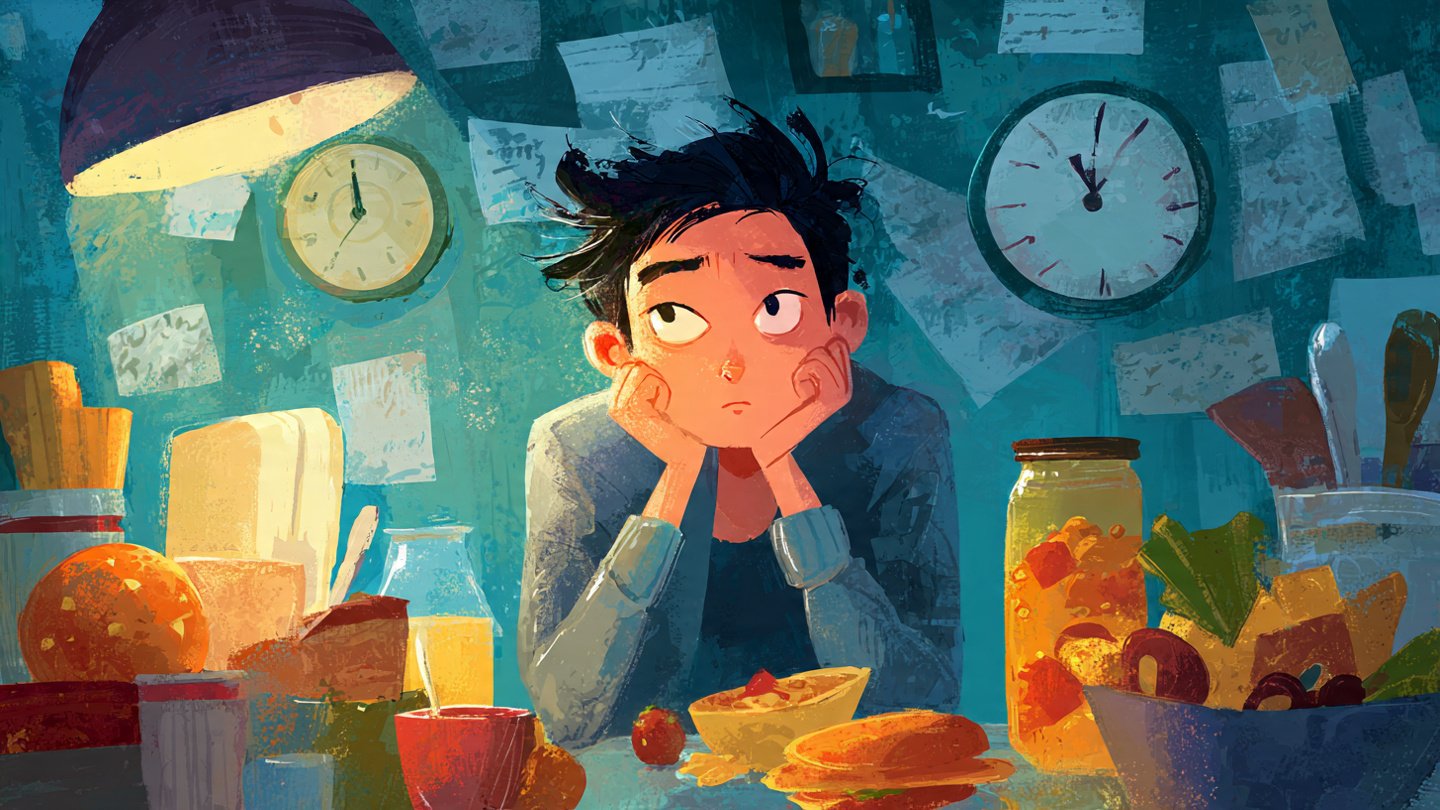
For many, reaching for a snack has become a near-automatic part of daily life. A mid-morning cookie, a bag of chips in the afternoon, or a handful of nuts while scrolling on the phone — for some, eating becomes as much a habit as breathing. But emerging research in nutrition and psychology suggests that constant snacking is often less about genuine hunger and more about emotional or environmental cues, particularly boredom. Understanding the difference between true physiological hunger and the desire to snack out of habit or distraction can be crucial for maintaining a healthy diet, controlling weight, and fostering a more mindful relationship with food.
The Psychology Behind Mindless Snacking
Boredom is one of the most overlooked triggers for eating. Unlike hunger, which is a physiological signal originating from the body’s energy needs, boredom arises from a lack of mental stimulation or engagement. When people feel bored, their brains may misinterpret the desire for stimulation as the need for food, leading to unnecessary snacking. Studies have consistently shown that individuals are more likely to consume high-calorie, high-sugar foods when experiencing boredom than when they are genuinely hungry.
One reason for this confusion is that the brain’s reward pathways are activated both by food and by activities that provide stimulation. Eating, especially foods high in sugar or fat, triggers the release of dopamine — the neurotransmitter associated with pleasure and reward. In a moment of boredom, the brain may crave this quick dopamine boost, giving the illusion that hunger needs to be satisfied. As a result, even without an actual energy deficit, the hand reaches for a snack.
Dr. Susan Albers, a clinical psychologist specializing in mindful eating, explains: “Boredom eating is essentially the brain’s way of creating stimulation. It’s not hunger in the physiological sense — it’s seeking a form of engagement. Recognizing that distinction is the first step toward healthier eating habits.”
Recognizing True Hunger
Understanding the difference between true hunger and a snack triggered by boredom can be challenging. Physiological hunger often builds gradually and can be satisfied with a balanced meal or snack. In contrast, boredom-driven snacking tends to occur suddenly and urgently, often accompanied by cravings for specific comfort foods.

One useful tool is the “hunger scale,” where individuals rate their hunger from 1 to 10. True hunger typically falls in the moderate range — a 3 to 5 on this scale — signaling readiness to eat without urgency. Eating when you’re already at a 7 or 8 often indicates emotional or mindless eating rather than a true need for calories. Keeping a food journal and noting the context around snacking — what you were doing, how you were feeling — can help identify patterns of boredom eating.
The Role of Environment in Snacking Habits
Beyond internal cues like boredom, external cues also play a significant role in constant snacking. The availability and visibility of food can unconsciously trigger eating behaviors. For example, leaving candy or chips on a countertop or having snacks easily accessible in a home office can encourage mindless nibbling. Even the presence of food on a colleague’s desk or in a vending machine can prompt unnecessary snacking, regardless of hunger.
Television and digital devices also contribute. Many people associate watching TV or scrolling through social media with snacking. These “paired habits” create strong behavioral links, reinforcing the idea that certain activities require food, even when the body does not.
A 2022 study in the Appetite journal found that participants were significantly more likely to consume extra calories when distracted by screens, compared to those who ate without any media distractions. This supports the idea that mindless snacking is often more about engagement than nourishment.
The Consequences of Constant Boredom-Driven Snacking
While a handful of nuts or a piece of fruit as a snack can be part of a healthy diet, constant, mindless snacking — especially on high-calorie, low-nutrient foods — can lead to multiple health issues:

- Weight Gain: Consuming extra calories without realizing it can lead to gradual weight gain over time, as energy intake consistently exceeds energy expenditure.
- Blood Sugar Fluctuations: Frequent intake of sugary snacks can spike blood sugar, leading to subsequent crashes and more cravings.
- Digestive Strain: Eating constantly can put stress on the digestive system, reducing the efficiency of nutrient absorption and potentially causing discomfort.
- Emotional Dependency: Relying on food to alleviate boredom or negative emotions can foster an unhealthy relationship with eating, making it harder to recognize and respect the body’s natural hunger cues.
Strategies to Combat Boredom Eating
Recognizing the problem is only the first step. Addressing boredom-driven snacking involves both behavioral and cognitive strategies that redirect attention and satisfy the underlying need for engagement.
1. Mindful Eating Practices
Mindful eating encourages paying attention to the taste, texture, and aroma of food, as well as recognizing the signals of satiety. Eating slowly and without distractions like television or phones can help distinguish between true hunger and a desire to eat out of boredom.
2. Scheduled Meals and Snacks
Having a structured eating schedule reduces the temptation to graze continuously. Designate times for meals and planned snacks. When a craving hits outside these windows, pause and ask: “Am I actually hungry or am I bored?”
3. Alternative Activities
Engage in hobbies or tasks that provide mental stimulation. Reading, walking, crafting, or even brief mindfulness exercises can fulfill the need for engagement that often drives boredom eating.
4. Drink Water First
Sometimes thirst is mistaken for hunger. Drinking a glass of water and waiting ten minutes can help determine whether the craving is real.

5. Keep Unhealthy Snacks Out of Sight
If chips, candy, or other high-calorie snacks are out of immediate reach, the likelihood of mindless consumption drops. Replace them with healthier alternatives like fruits, vegetables, or nuts.
The Role of Emotional Awareness
Because boredom is an emotional state, improving emotional awareness can dramatically reduce unnecessary snacking. Identifying feelings of restlessness, monotony, or distraction and consciously addressing them — perhaps by taking a short walk, meditating, or calling a friend — helps satisfy the underlying urge without turning to food.
Behavioral scientists often refer to this as “urge surfing” — noticing the impulse to snack, acknowledging it without judgment, and allowing it to pass naturally. Over time, this practice reduces the automatic link between boredom and eating.
Technology Can Help — If Used Wisely
Interestingly, technology itself can be both a trigger and a solution. While screens often encourage mindless eating, apps and digital tools designed for mindful eating, habit tracking, and reminders to drink water or move can help break the cycle.
Some apps allow users to log every snack and meal, providing a clear picture of patterns over time. Seeing the frequency and timing of boredom-driven snacking can motivate behavioral change. The key is intentional use: technology should be used to increase awareness, not create additional distractions that trigger further grazing.

Long-Term Benefits of Breaking the Boredom-Snacking Cycle
Addressing boredom-driven snacking isn’t just about reducing calories; it’s about retraining the brain to recognize and respond appropriately to genuine hunger signals. The long-term benefits extend beyond weight management:
- Improved Energy Levels: Eating in response to true hunger prevents blood sugar spikes and crashes, promoting more stable energy throughout the day.
- Better Digestion: Allowing the body time to process meals without constant snacking improves digestive health.
- Healthier Relationship with Food: By breaking automatic patterns, individuals regain control over eating and reduce reliance on food as an emotional crutch.
- Enhanced Focus and Productivity: Replacing mindless snacking with engaging activities can improve attention and performance in both work and leisure.
Conclusion
For people who snack constantly, it is essential to recognize that not all hunger is genuine hunger. The confusion between boredom and appetite is a common, but manageable, challenge. Through mindful eating, structured meals, alternative engagement, and emotional awareness, it is possible to break the automatic cycle of reaching for snacks when the body does not need fuel.
Ultimately, understanding the distinction between boredom-driven cravings and true physiological hunger allows individuals to regain control over eating habits, reduce unnecessary caloric intake, and develop a healthier, more balanced relationship with food. Recognizing the signals of the body — rather than the impulses of the mind — can transform not only dietary habits but overall wellbeing.
Breaking the habit of mindless snacking may take patience and self-awareness, but the reward is profound: more energy, improved health, and a renewed sense of control over one of the most basic yet powerful aspects of life — the food we eat.