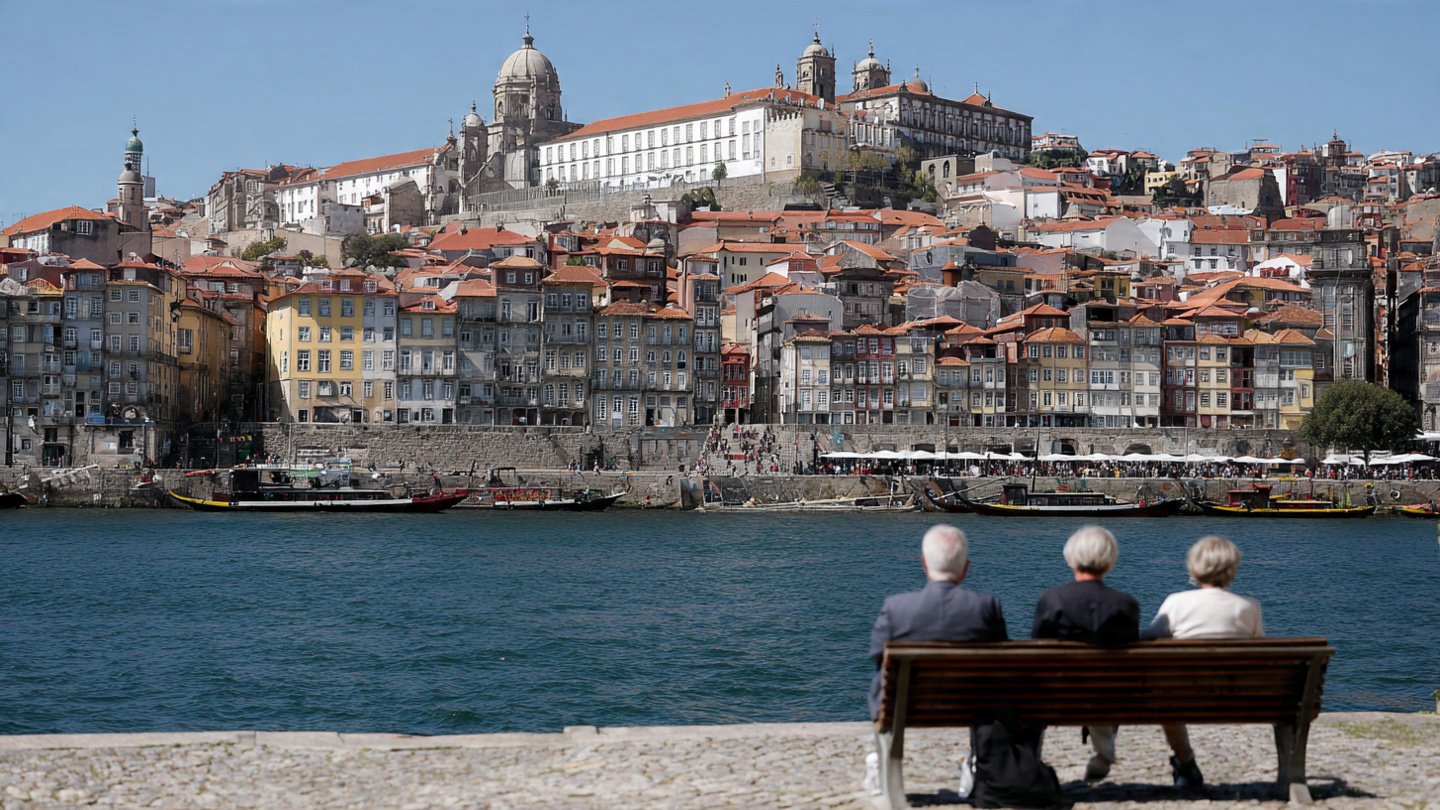
For more than a decade, Portugal stood at the top of Europe’s retirement wish list. From sun-drenched beaches in the Algarve to charming hill towns and affordable living, the country became a magnet for retirees from the UK, Northern Europe, and North America. Favorable tax policies, a relaxed lifestyle, and high-quality healthcare made Portugal seem like the perfect place to enjoy life after work.
But in recent years, a noticeable shift has begun. Increasingly, retirees are looking elsewhere, drawn by rising costs, changing regulations, and new opportunities across Europe. As Portugal’s popularity cools, a new European favorite is emerging—one that promises affordability, authenticity, and stability in a rapidly changing world.
How Portugal Became a Retirement Haven
Portugal’s rise as a retirement hotspot did not happen by accident. Following the 2008 financial crisis, the country launched several policies designed to attract foreign residents and investment.
One of the most influential was the Non-Habitual Resident (NHR) tax regime, introduced in 2009. Under this system, foreign retirees could enjoy reduced or even zero tax on certain types of income for up to ten years. This made Portugal particularly attractive to pensioners from countries with high tax rates.
At the same time, Portugal offered:
- A mild Mediterranean climate
- Over 300 days of sunshine each year
- A low cost of living compared to Western Europe
- High safety rankings
- Modern healthcare services
- Friendly, English-speaking communities
Regions such as the Algarve, Lisbon, Cascais, and Porto quickly became hubs for expatriate retirees. International real estate agencies and relocation services flourished, further reinforcing Portugal’s reputation as Europe’s retirement paradise.
Rising Costs and the End of “Cheap Portugal”
One of the biggest reasons Portugal is losing its appeal is simple: it is no longer cheap.
As foreign demand surged, property prices skyrocketed. In cities like Lisbon and Porto, housing costs doubled or even tripled within a decade. Popular coastal towns followed the same trend.
Rent increases have been particularly painful for retirees on fixed incomes. What was once an affordable seaside apartment now often rivals prices in parts of France or Italy.
Everyday expenses have also risen:

- Utility bills have increased
- Food prices have climbed
- Healthcare premiums are higher
- Restaurant and service costs have gone up
For many retirees, Portugal no longer offers the financial breathing room it once did.
Changing Tax Policies and Reduced Incentives
Another major turning point came with changes to Portugal’s tax system.
In recent years, the government modified the NHR program, gradually reducing its generosity. Some categories of foreign income are now taxed, and new applicants face stricter rules.
In 2024, Portugal officially announced the end of the traditional NHR scheme for most newcomers, replacing it with more limited alternatives aimed at skilled professionals rather than retirees.
For many pensioners, this removed one of Portugal’s strongest attractions. Without significant tax advantages, the country suddenly seemed less competitive compared to emerging alternatives.
Overcrowding and Loss of Authenticity
Success brought unintended consequences. Popular retirement areas became crowded, commercialized, and expensive.
In towns like Albufeira, Lagos, and parts of Lisbon, local culture has been diluted by mass tourism and foreign-owned developments. Traditional shops have been replaced by souvenir stores, international chains, and short-term rentals.
Many retirees who initially moved for “authentic Portuguese life” now find themselves living in expat bubbles that feel disconnected from local communities.
Overcrowding has also affected:
- Healthcare access in popular regions
- Traffic and parking
- Environmental quality
- Public services
What once felt peaceful and charming now feels busy and overdeveloped to some long-term residents.

Spain Emerges as the New Favourite
As Portugal’s appeal declines, Spain has quietly become the leading alternative for European retirees.
Spain offers many of the same advantages that once made Portugal attractive, but often at better value:
- Similar Mediterranean climate
- Excellent healthcare system
- Diverse landscapes
- Strong infrastructure
- Rich cultural heritage
More importantly, many regions in Spain remain affordable, especially outside major tourist hubs.
Areas such as Valencia, Murcia, Andalusia, and parts of northern Spain have become magnets for retirees seeking balance between cost, comfort, and quality of life.
Why Retirees Are Choosing Spain
Several factors are driving Spain’s growing popularity among retirees.
1. Affordable Property Markets
While Barcelona and Madrid are expensive, many smaller cities and coastal towns offer excellent value.
In places like Alicante, Castellón, Almería, and Granada, retirees can still buy spacious apartments or houses at reasonable prices. Rental markets are also more stable than in Portugal’s hotspots.
2. World-Class Healthcare
Spain consistently ranks among the best countries in the world for healthcare. Its public system is highly regarded, and private insurance remains affordable.
Retirees value the accessibility of hospitals, specialist clinics, and English-speaking medical professionals.
3. Better Integration Opportunities
Spain offers stronger incentives for learning the language and integrating into local communities. Many towns provide cultural programs, social clubs, and language exchanges.

This makes it easier for retirees to build meaningful local connections rather than living in isolated expat enclaves.
4. Flexible Residency Options
Spain’s non-lucrative visa remains attractive to retirees with stable income. Unlike some Portuguese alternatives, it is relatively straightforward and well-established.
Taxation is transparent, and long-term planning is easier for many foreign residents.
Other Rising Retirement Destinations
Spain may be leading the shift, but it is not the only beneficiary of Portugal’s decline.
Several other European countries are gaining attention:
Greece
Offers island living, affordable housing, and new tax incentives for retirees.
Italy (Southern Regions)
Parts of Calabria, Sicily, and Puglia provide low-cost property and generous tax breaks.
Croatia
Combines Adriatic coastline with improving infrastructure and reasonable living costs.
Slovenia
Appeals to retirees seeking safety, nature, and central European connectivity.
These countries are actively marketing themselves to international retirees, learning from Portugal’s earlier success.

The Psychological Shift: From “Hotspot” to “Hidden Gem”
Retirement migration is not only about numbers and policies—it is also about perception.
Portugal has become “too popular” for many retirees. Once a hidden gem, it is now seen as crowded and commercialized.
In contrast, Spain’s lesser-known regions and emerging destinations feel fresh and undiscovered. Retirees increasingly seek places where they can be pioneers rather than followers.
This psychological factor plays a powerful role in relocation decisions.
Portugal’s Response and Future Outlook
Portugal is not standing still. The government is attempting to rebalance tourism, regulate housing, and attract different types of residents, such as digital nomads and skilled workers.
New policies aim to:
- Control short-term rentals
- Support affordable housing
- Promote inland regions
- Diversify the economy
Some retirees are now exploring Portugal’s interior regions, where prices remain lower and communities are less crowded.
However, rebuilding its reputation as a retirement bargain will take time.
Not Everyone Is Leaving
Despite these changes, Portugal remains deeply appealing to many retirees.
Long-term residents who bought property early still enjoy strong value. Others prioritize lifestyle, safety, and climate over financial savings.

For people with higher incomes, Portugal continues to offer:
- Excellent food and wine
- Political stability
- Low crime rates
- High-quality infrastructure
- Welcoming culture
So while some are leaving, others are staying—and new arrivals continue, though at a slower pace.
Conclusion: A New Chapter in Europe’s Retirement Map
Portugal’s decline as Europe’s top retirement destination reflects a natural cycle. Popular places become expensive, crowded, and regulated. New destinations rise to take their place.
Today, Spain stands as the leading beneficiary of this shift, offering affordability, healthcare excellence, and lifestyle diversity. Other countries are also emerging, creating a more competitive retirement landscape across Europe.
For retirees, this change brings opportunity. Instead of following old trends, they can explore new regions, compare policies, and find destinations that better match their evolving priorities.
Portugal’s story serves as a reminder that no destination remains perfect forever. In the dynamic world of global retirement, adaptability, research, and timing matter more than ever.