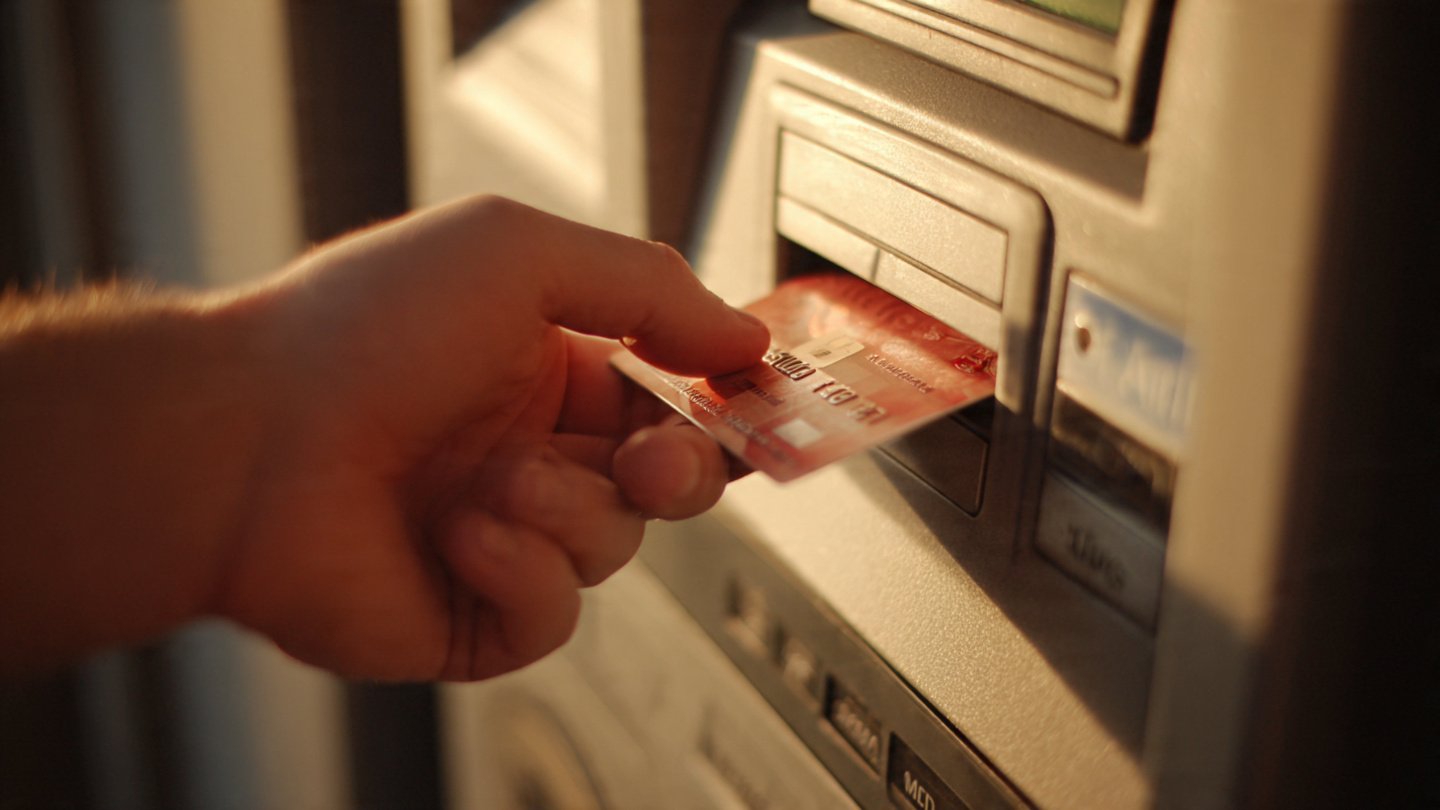
Few modern inconveniences trigger panic faster than an ATM swallowing your bank card. One second you’re checking your balance or withdrawing cash, the next the screen flashes an error, the slot closes, and your card is gone. Suddenly, you’re stranded—no card, no cash, and no clear instructions.
Over the years, rumors have spread about a “fast little technique” that can instantly retrieve a captured card before help arrives. Some swear by it. Others insist banks don’t want you to know about it. The truth, however, is far less dramatic—and far more important for protecting your money and identity.
Let’s break down what actually happens when an ATM keeps your card, why the “instant retrieval trick” is mostly a myth, and the legitimate actions that really matter in the critical minutes afterward.
Why ATMs Keep Cards in the First Place
ATMs don’t randomly eat cards. When a machine retains your card, it’s usually for one of several specific reasons:
- Incorrect PIN entered multiple times
- Expired or damaged card
- Suspected fraud or security risk
- Card reported lost or stolen
- ATM malfunction
- Card left in the slot too long
From the bank’s perspective, keeping the card is a security feature, not a malfunction. The goal is to protect you—and the banking system—from fraud.
Once the card is retained, it drops into a locked internal cassette inside the machine. This compartment is not accessible from the outside.
That detail alone explains why most “instant retrieval” claims fall apart.

The “Fast Little Technique” People Swear By
You’ll hear variations of the same story online or from well-meaning friends:
- “Press Cancel repeatedly and the card pops back out.”
- “Restart the transaction and it releases the card.”
- “Power cycling the ATM resets it.”
- “Calling the emergency number while standing there triggers a remote release.”
- “Insert another card quickly and it ejects both.”
These stories persist because people want control in a stressful moment. But in reality, modern ATMs are designed to prevent exactly this kind of manipulation.
Once your card is captured:
- The slot physically closes
- The card is moved into a locked compartment
- The ATM software flags the event
- Manual retrieval is required
There is no legal button combination or timing trick that reverses this.
Why Trying to “Retrieve It Yourself” Is a Bad Idea
Some desperate cardholders try shaking the machine, inserting objects, prying the slot, or following sketchy advice found online.
This creates serious risks:
- ATM tampering is a criminal offense
- You may damage the machine
- You could be accused of attempted fraud
- Surveillance cameras record everything
- You could lose reimbursement protections
Even touching the ATM aggressively can complicate your claim later.

If a card is retained, the safest move is not speed—it’s restraint.
The One Thing That Does Work Immediately
While there’s no instant physical retrieval technique, there is one fast action that matters more than anything else:
Contact your bank immediately while you are still at the ATM.
This is the real “fast technique” people misunderstand.
Why it matters:
- The bank can block the card instantly
- They can confirm why it was retained
- They log the incident in real time
- It protects you if fraud occurs afterward
Most ATMs display:
- The bank’s customer service number
- The ATM operator’s support line
- The machine ID or location code
Calling from the location gives your report higher credibility and faster processing.

Can the Card Be Retrieved Later?
Sometimes—yes, but with limits.
Whether you get the card back depends on several factors:
- Who owns the ATM
- If it’s your bank’s ATM inside a branch, retrieval may be possible
- Third-party ATMs almost never return cards
- Why the card was captured
- Security-related captures usually mean permanent confiscation
- Malfunctions sometimes allow retrieval
- Timing
- ATMs are serviced on fixed schedules
- Cards may be destroyed before staff arrives
In many cases, even when retrieval is possible, replacement is faster and safer.
Why Banks Often Don’t Return Cards Even When They Can
This frustrates customers, but there’s logic behind it.
Once a card is retained:
- It may be considered compromised
- PIN security can’t be guaranteed
- Fraud liability increases
- Regulations require caution
From the bank’s perspective, issuing a new card:
- Is safer
- Is faster
- Reduces risk for everyone
This is why customer service often skips retrieval and goes straight to replacement.

What You Should Do in the First 10 Minutes
Here’s what actually helps—immediately and legally:
- Do not leave the ATM area right away
Check the screen for instructions or contact numbers. - Call your bank immediately
Use the number on the back of your card (if saved) or the ATM screen. - Confirm the card is blocked
Make sure no further transactions are possible. - Ask about emergency cash options
Some banks offer branch pickup or digital wallet access. - Document the incident
Note time, location, ATM ID, and what the screen displayed.
These steps protect your money far more than chasing retrieval myths.
Why the Myth Persists
The idea of an “instant retrieval trick” survives because:
- Older ATMs decades ago were less secure
- Rare glitches do happen
- People confuse coincidence with causation
- Viral stories spread faster than corrections
- Stress makes people remember “miracle” outcomes
But modern ATM systems are intentionally designed to eliminate quick reversals once a security event occurs.
What Feels Like a Trick—but Isn’t
Some situations make people believe they used a technique when they didn’t:
- The ATM timed out but hadn’t yet retained the card
- The card was delayed, not captured
- The machine rebooted due to an error
- A staff member intervened quickly
These are edge cases, not repeatable methods.
The Real Lesson: Speed Still Matters—Just Not the Way You Think
The mistake isn’t wanting to act fast. It’s acting in the wrong direction.

The fastest, smartest response is:
- Freeze physical action
- Activate financial protection
- Shift from “retrieve” to “secure and replace”
People who do this typically:
- Avoid fraud
- Get replacement cards quickly
- Experience fewer financial headaches
Those who panic and experiment often make things worse.
Conclusion
Despite what the title suggests, there is no secret legal technique that instantly retrieves a bank card once an ATM keeps it. The machine is designed to prevent exactly that.
But that doesn’t mean you’re powerless.
The real “fast little technique” is immediate communication, not mechanical manipulation. Calling your bank right away, blocking the card, and documenting the incident protects your money far more effectively than any rumored button press ever could.