Scroll through cleaning tips, home remedies, or DIY forums, and you’ll inevitably see the same advice repeated again and again: mix baking soda with hydrogen peroxide. The pairing is often described as a powerful solution for whitening teeth, removing stains, cleaning grout, or tackling stubborn odors.
It sounds simple. It sounds effective. And because both ingredients are common household items, it sounds harmless.
But chemistry—and health—are rarely that straightforward.
While there are reasons people combine baking soda and hydrogen peroxide, understanding what the mixture actually does, why it sometimes works, and where it can cause problems is essential. What’s often recommended casually online can be useful in limited contexts—but risky or ineffective in others.
Why These Two Ingredients Are So Popular
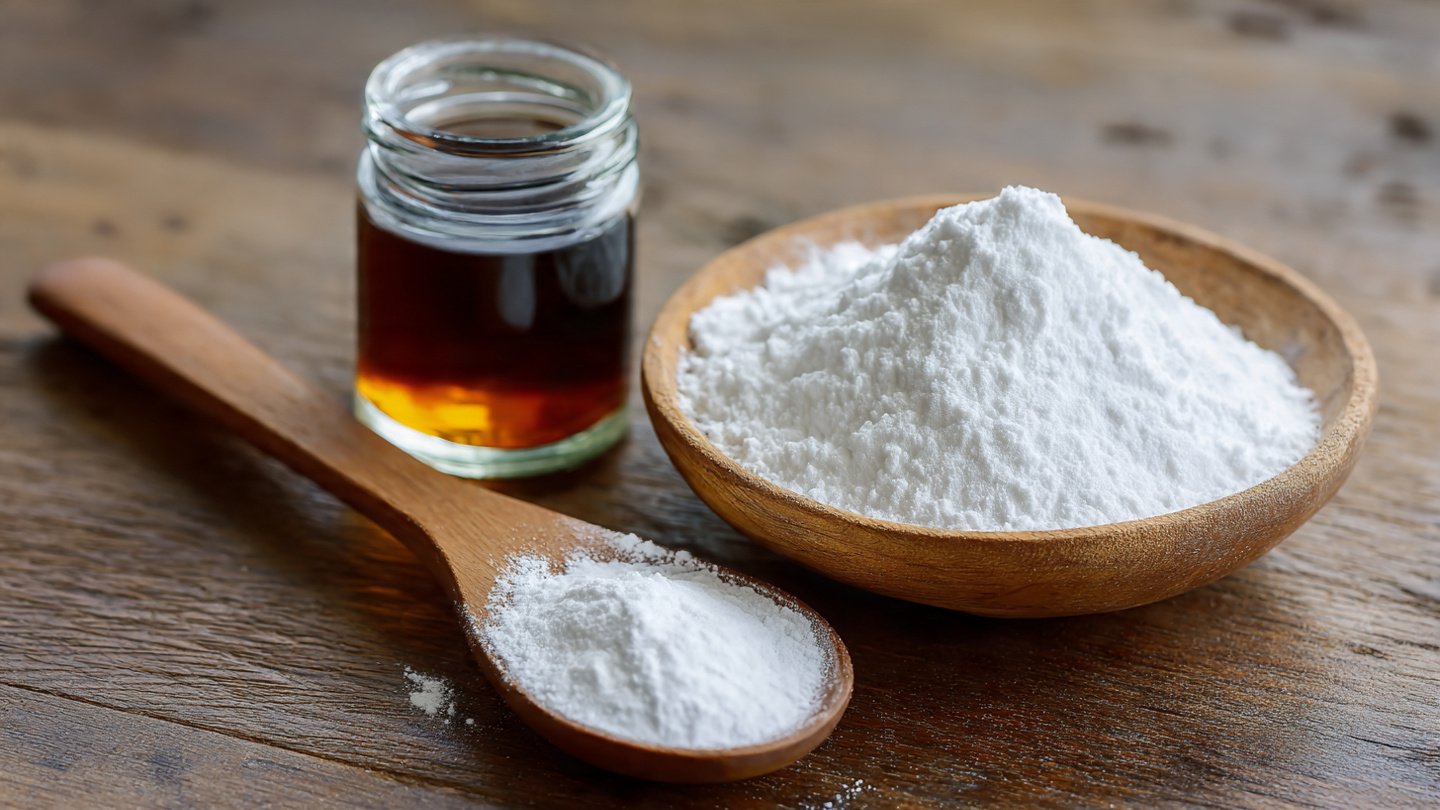
Baking soda (sodium bicarbonate) and hydrogen peroxide are both widely used because they are:
- Inexpensive
- Easy to find
- Perceived as “natural” or gentler than commercial chemicals
- Supported by some real chemical properties
Individually, they each serve a purpose. Together, people believe they create a kind of “super cleaner” or whitening agent. That belief isn’t entirely wrong—but it’s often misunderstood.
What Baking Soda Actually Does
Baking soda is a mild alkaline compound with several useful properties:
1. Gentle Abrasiveness
Baking soda crystals are slightly abrasive. This makes them effective for scrubbing surfaces, lifting surface stains, and polishing without scratching harder materials.
2. pH Neutralization
Because it’s alkaline, baking soda neutralizes acids. This is why it’s effective at reducing odors—many unpleasant smells are acidic.

3. Limited Chemical Reactivity
Contrary to popular belief, baking soda doesn’t “kill germs” on its own in a meaningful way. Its primary strength is physical cleaning, not disinfection.
What Hydrogen Peroxide Actually Does
Hydrogen peroxide (H₂O₂) is a mild oxidizing agent, commonly sold in low concentrations (usually 3%) for household use.
1. Oxidation and Bleaching
Hydrogen peroxide breaks down into water and oxygen. During this process, it releases oxygen molecules that can break apart pigments, which is why it’s used for whitening and stain removal.
2. Mild Antimicrobial Action
It can damage the cell walls of bacteria, fungi, and some viruses, making it useful as a disinfectant in certain contexts.
3. Chemical Sensitivity
Despite its reputation as gentle, hydrogen peroxide can irritate skin, damage enamel, fade fabrics, and degrade materials if misused.
What Happens When You Mix Them?
When baking soda and hydrogen peroxide are combined, they don’t create a new magical compound. Instead, they work in tandem in a fairly simple way:
- Baking soda provides abrasion and pH buffering
- Hydrogen peroxide provides oxidation and bleaching
The baking soda can slightly stabilize hydrogen peroxide, slowing its breakdown and allowing it to work longer on stains. At the same time, the abrasive action helps physically lift grime while peroxide chemically alters discoloration.
This combination explains why people report success—but it also explains the limits.
Why People Use the Mixture
1. Teeth Whitening
This is one of the most common uses people mention. The logic is straightforward:

- Baking soda scrubs surface stains
- Hydrogen peroxide lightens pigmentation
Dentistry research confirms that both ingredients can reduce surface stains, which is why they’re sometimes included in commercial whitening products—but in very controlled concentrations.
2. Stain Removal on Surfaces
On grout, sinks, or light-colored surfaces, the mixture can lift organic stains caused by mold, food, or body oils.
3. Odor Control
The combination can neutralize smells while breaking down odor-causing residues, particularly in bathrooms and kitchens.
4. DIY Cleaning Solutions
Many people use it as a “natural” alternative to harsher chemical cleaners, especially for spot cleaning.
What the Mixture Does Not Do
A major problem with online advice is exaggerated claims. Mixing baking soda and hydrogen peroxide does not:
- Deeply disinfect surfaces like commercial sanitizers
- Permanently whiten teeth
- Remove all types of stains
- Remain safe for repeated, frequent use in all situations
Its effects are surface-level and temporary in many cases.
The Hidden Risks People Don’t Talk About
Just because something is common doesn’t mean it’s harmless.
1. Tooth and Gum Damage
Repeated use on teeth can:
- Wear down enamel due to abrasion
- Irritate gums and soft tissue
- Increase tooth sensitivity
Dentists warn that enamel does not regenerate. What feels like “whitening” may actually be thinning the protective layer of your teeth.

2. Skin Irritation
Hydrogen peroxide can cause:
- Dryness
- Whitening of skin (a sign of tissue irritation)
- Delayed healing
When combined with abrasive baking soda, irritation risk increases.
3. Surface Damage
The mixture can:
- Scratch delicate materials
- Fade fabrics
- Damage sealants on stone or tile
What works on grout may ruin marble, wood finishes, or coated surfaces.
4. False Sense of Safety
Because the ingredients feel “natural,” people often use them too frequently or inappropriately, assuming they’re safer than they are.
Why Experts Are Cautious
Medical and cleaning professionals generally agree on one thing: context matters.
Hydrogen peroxide is effective when used correctly—but loses potency quickly and can harm tissue if overused. Baking soda cleans well—but doesn’t disinfect and can cause wear over time.
When mixed casually without understanding the chemistry, the result is often overuse rather than effectiveness.
That’s why commercial products use carefully calibrated formulas rather than simple household mixing.

When the Combination Makes Sense
Used occasionally and appropriately, the mixture can be useful for:
- Spot cleaning heavily stained, non-delicate surfaces
- Occasional stain removal where abrasion is acceptable
- Limited cleaning tasks where stronger chemicals aren’t necessary
The key word is occasional.
When It’s Better to Avoid It
You should be cautious or avoid the mixture for:
- Daily oral care
- Sensitive skin
- Natural stone surfaces
- Long-term or repeated use in the same area
In many cases, using one ingredient alone—or a product designed for the task—is safer and more effective.
Why the Recommendation Persists
The popularity of this mixture isn’t accidental. It persists because:
- It produces visible, immediate results
- It’s inexpensive
- It fits the “DIY natural solution” narrative
- Success stories spread faster than cautionary ones
Psychologically, people trust solutions they can make themselves—especially when they appear simple and familiar.
The Bottom Line
Mixing baking soda with hydrogen peroxide isn’t inherently dangerous—but it’s often oversold and misunderstood.
What it actually does is combine:
- Mild abrasion
- Limited bleaching
- Short-term cleaning effects
What it does not do is replace professional-grade cleaners, medical guidance, or products designed for specific tasks.

Used sparingly and thoughtfully, it can be helpful. Used frequently or indiscriminately, it can cause damage that outweighs any benefit.
As with most viral home remedies, the smartest approach isn’t blind adoption—but informed restraint.
Sometimes, knowing when not to use something is just as important as knowing why people do.