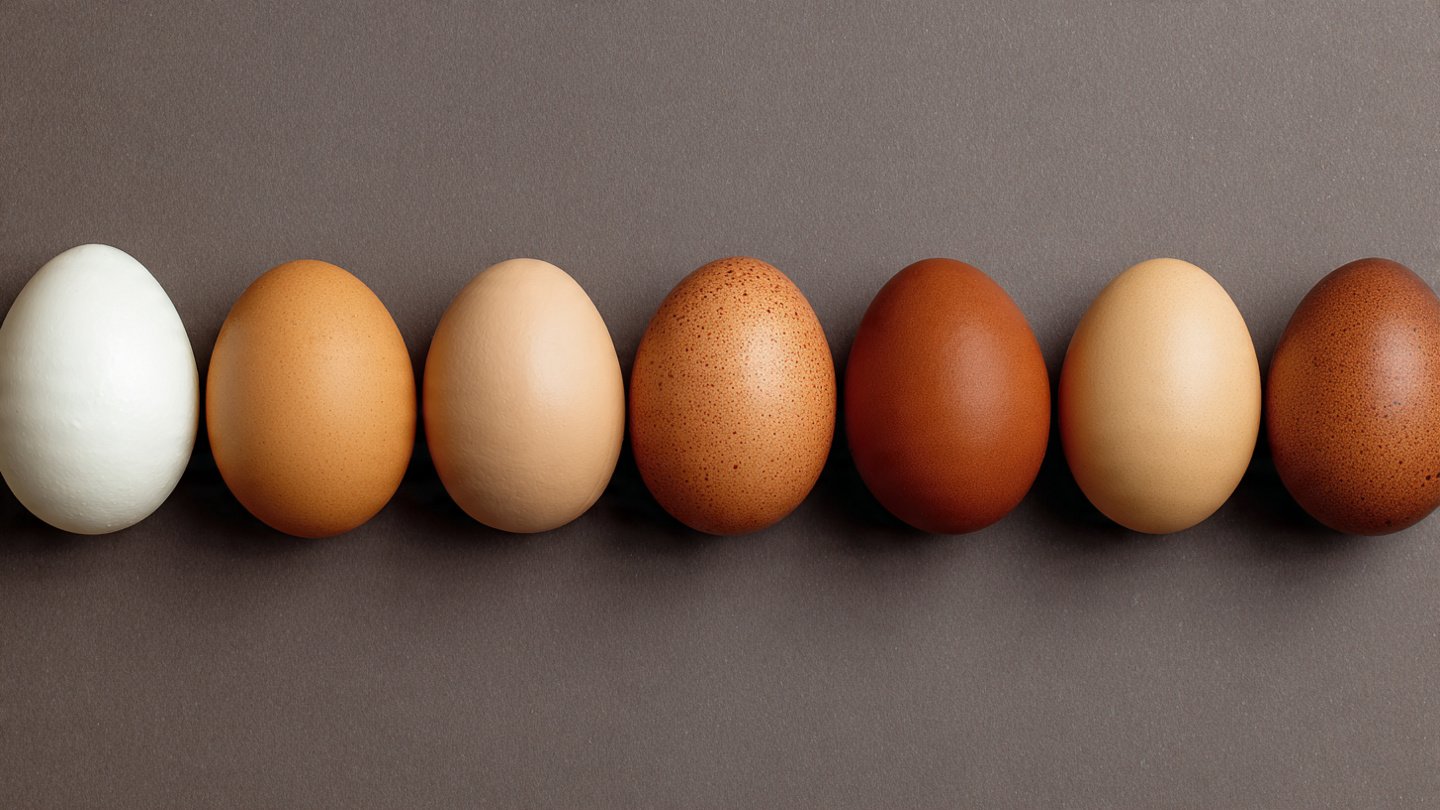
For most of my life, I stood in grocery store aisles staring at cartons of eggs, convinced I was making a meaningful choice. White eggs felt basic. Brown eggs felt wholesome. Organic, maybe healthier. Worth the extra dollar or two—right?
That belief stayed with me for decades. It wasn’t until my sixtieth birthday, during an offhand conversation with a local farmer, that I learned the truth. And it stunned me—not because it was complicated, but because it was so simple and almost no one ever explains it clearly.
The difference between white and brown eggs has very little to do with nutrition, quality, or health. In fact, the truth challenges one of the most common food myths in modern grocery shopping.
Here’s what I wish I’d known much earlier.
The Assumption Most of Us Grow Up With
If you’re like me, you probably assumed brown eggs were healthier. They look more natural. Earthy. Rustic. White eggs, by comparison, feel industrial—something churned out by factory farms.
This belief isn’t random. Psychology and marketing research show that humans associate darker, less “refined” colors with wholesomeness and purity. Brown bread. Brown rice. Brown sugar. Brown eggs simply fit the pattern.
But eggs don’t follow the same rules as grains.
The Real Difference Comes From the Chicken, Not the Egg
Here’s the truth most people never hear:

The color of an eggshell depends entirely on the breed of the hen that laid it.
- Chickens with white feathers and white earlobes typically lay white eggs.
- Chickens with reddish-brown feathers and red earlobes usually lay brown eggs.
That’s it. No secret feed. No special farming method. No inherent nutritional upgrade.
The inside of the egg—the yolk and the white—is virtually identical in both cases.
When I heard this, my first thought was disbelief. Surely something that costs more must be more. But science doesn’t back that up.
Are Brown Eggs More Nutritious? The Honest Answer
From a nutritional standpoint, white and brown eggs are essentially the same.
They contain comparable amounts of:
- Protein
- Fat
- Cholesterol
- Vitamins like B12 and D
- Minerals such as selenium and phosphorus
Multiple food science studies confirm that shell color does not meaningfully affect nutrient content.
If you’ve ever noticed deeper yellow yolks in some eggs, that difference comes from the hen’s diet, not the shell color. Hens fed diets rich in corn, marigold petals, or omega-3 sources produce more vibrant yolks—whether the shell is white or brown.

Why Brown Eggs Usually Cost More
So why do brown eggs often come with a higher price tag?
It comes down to economics, not nutrition.
Brown-egg-laying hens tend to:
- Be larger birds
- Eat more feed
- Require more resources to raise
Those extra costs get passed down to consumers. In contrast, white-egg-laying hens are typically more feed-efficient, making white eggs cheaper to produce.
You’re not paying for a better egg—you’re paying for a different chicken.
The Marketing Illusion We Rarely Question
Over the years, brown eggs have been quietly positioned as the “premium” choice. Cartons often feature farm imagery, soft fonts, and words like natural or country fresh. White eggs, meanwhile, are frequently packaged in plain, no-frills containers.
Psychologists call this the halo effect: when one positive association (natural appearance) leads us to assume other benefits (health, quality, ethics).
At 60, I realized I’d been paying extra for a story—not a better product.

Does Shell Color Affect Taste?
Another widespread belief is that brown eggs taste better.
In blind taste tests, however, most people cannot reliably tell the difference between white and brown eggs. Flavor differences, when present, are usually due to:
- The freshness of the egg
- The hen’s diet
- How the egg is cooked
Not the color of the shell.
A fresh white egg from a local farm can taste far better than an older brown egg shipped long distances—and vice versa.
What Actually Matters When Buying Eggs
If shell color doesn’t matter, what does?
After learning the truth, I started paying attention to the factors that actually influence egg quality and ethics:
1. Hen Diet
Eggs from hens fed diverse, nutrient-rich diets often have richer yolks and sometimes higher omega-3 content.
2. Living Conditions
Labels like pasture-raised, free-range, or cage-free describe how hens are raised (though standards vary and labels can be misleading).

3. Freshness
Fresh eggs have firmer whites and better flavor, regardless of shell color.
4. Local Sourcing
Eggs from nearby farms often reach your plate faster, preserving quality.
None of these qualities are determined by whether the shell is white or brown.
Why This Myth Persists
So why do so many people still believe brown eggs are better?
Because:
- It aligns with other food trends (whole grains, unrefined foods)
- Marketing reinforces the belief
- Few people stop to question it
- The truth isn’t often explained simply
Like many food myths, it survives because it feels right, not because it is right.
A Lesson Bigger Than Eggs
What surprised me most wasn’t just the egg fact—it was what it revealed about how easily we carry assumptions for decades without revisiting them.
At 60, I realized how often we mistake appearance for substance. How many choices we make based on familiarity rather than evidence. Eggs were just the beginning.

Learning this didn’t make me feel foolish—it made me curious. What else do we “know” simply because we’ve always heard it?
The Bottom Line
Here’s the simple truth I wish I’d learned years ago:
White eggs and brown eggs are nutritionally the same.
The difference is the chicken, not the quality.
The price difference reflects production costs, not health benefits.
So the next time you’re standing in the egg aisle, choose based on:
- Freshness
- Farming practices
- Budget
- Taste preference
Not shell color.
And if you still prefer brown eggs? That’s perfectly fine. Just know you’re choosing them for preference—not because white eggs are somehow lesser.
Sometimes, the most surprising truths are the simplest ones—and we learn them far later than we should.